

Its’s Day two of a long-awaited trip.
You wake up feeling off.
At first, you ignore it. Baka pagod lang. Maybe it’s the food, the heat, or that long drive the day before. You push through—because sayang naman, you planned this for weeks.

By lunchtime, it’s worse. Headache. Body pain. Maybe even a fever. Suddenly, the itinerary doesn’t matter. The beach, the road trip, the sightseeing—you’re just trying to feel normal again.
And now comes the real problem:
Where do you even go?
If you’re traveling locally, you start searching for the nearest clinic. If you’re abroad, it gets more complicated—language barriers, unfamiliar systems, and costs that can escalate fast. What should’ve been a quick checkup turns into stress you didn’t budget for.
This is the part of travel most people don’t plan for.
We plan everything—except getting sick
Holy Week is one of the busiest travel seasons in the Philippines. Families head out of town, flights are fully booked, and group chats are filled with itineraries, reservations, and packing lists.
Power bank? Check.
Outfits? Check.
Snacks for the trip? Check.

Access to a doctor? Usually not even considered.
It’s easy to assume nothing will go wrong. But even something as simple as a headache, allergies, or stomach issues can derail a trip—especially when you’re far from home.
And when you’re abroad, the stakes are higher. A basic consultation can cost thousands. A quick visit to a clinic becomes an unexpected expense you didn’t plan for.
Traveling abroad? Getting sick might be the most expensive part
Healthcare isn’t the same everywhere. In some countries, even minor treatments can come with a hefty bill. Add to that the stress of figuring out where to go, who to trust, and how to explain what you’re feeling.
For many Filipinos, there’s also comfort in speaking to someone who understands you—not just medically, but culturally.
That’s where having access to a Filipino doctor, even while traveling, starts to matter more than you’d expect.
A simple backup plan that makes a big difference
This is where something like the mWell Healthsavers Plan fits in—not as the main event, but as a safety net.
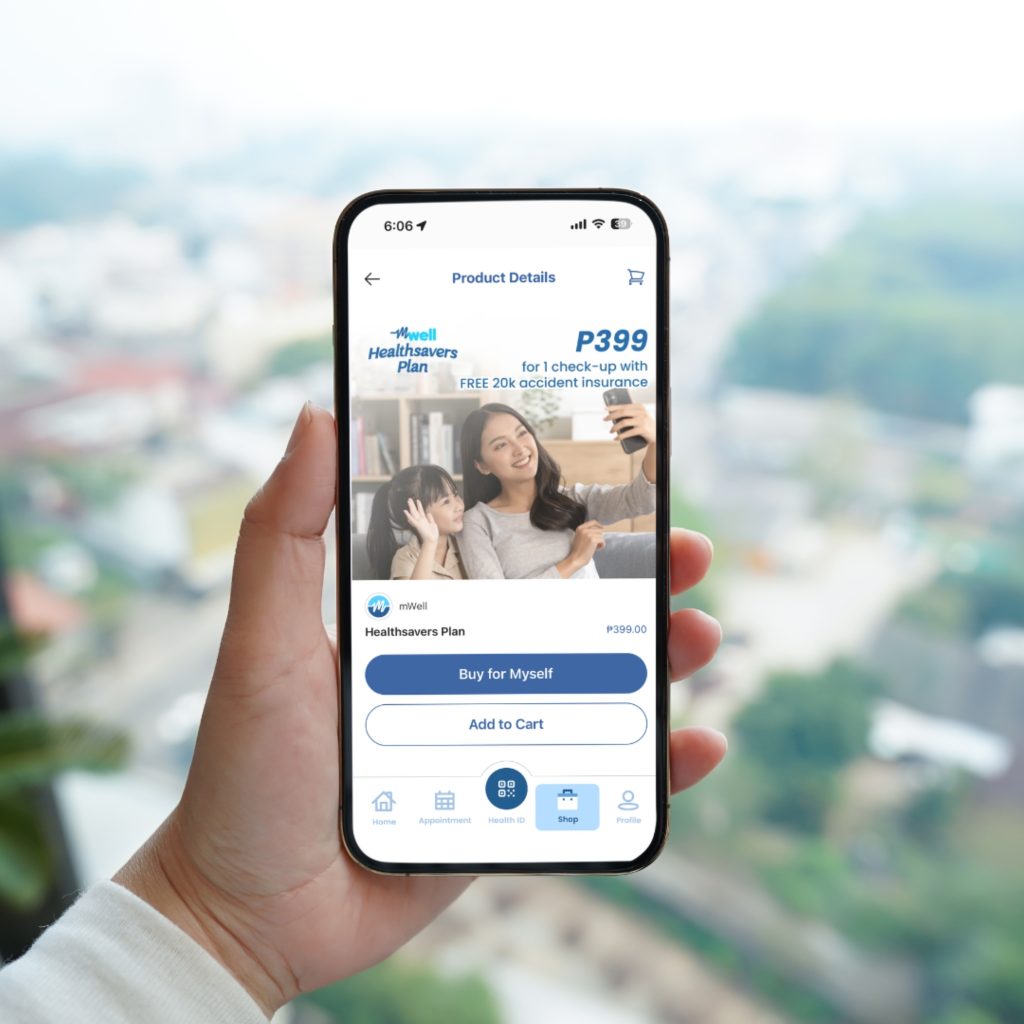
For ₱399, it gives you access to a licensed Filipino doctor through the mWell app, wherever you are. You can consult via video call, get an e-prescription, medical certificate, and even e-lab requests if needed.

It also includes personal accident insurance coverage, which adds another layer of protection while you’re on the move.
No need to search for clinics. No need to guess where to go. No need to panic when something feels off.
You just open your phone.
How it works
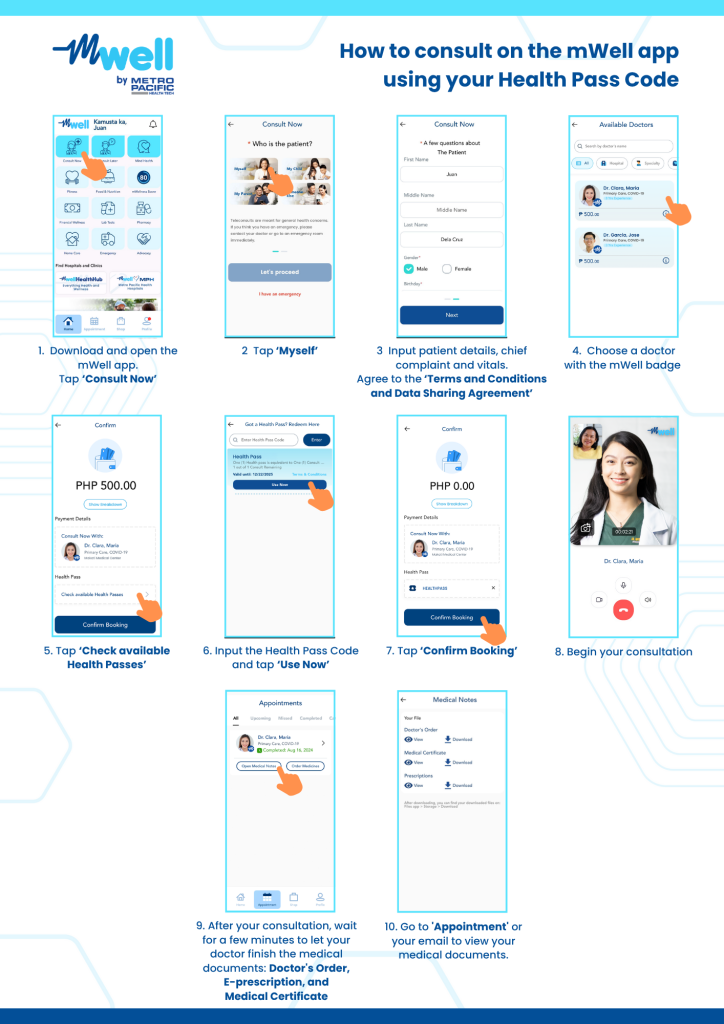
If you ever need it, the process is straightforward:
- Open the mWell app and tap Consult Now
- Select Myself and enter your details
- Choose a doctor with the mWell badge
- Apply your Health Pass and confirm your booking
- Start your video consultation
After your session, your documents—doctor’s order, e-prescription, and medical certificate—are available through the app or sent to your email.
Everything stays in one place, ready when you need it.
Even while abroad, you’re not on your own
For Filipinos traveling overseas, this becomes even more practical. Instead of navigating unfamiliar healthcare systems, you stay connected to doctors back home.
It’s a small detail—but in the middle of a stressful situation, it makes a big difference.

Even Asia’s Songbird Regine Velasquez-Alcasid used the mWell Healthsavers Plan during a recent trip to Japan, showing how accessible healthcare can support a smoother travel experience.
Plan the trip. Plan the backup.
No one travels expecting to get sick.
But it happens. And when it does, it can turn a good trip into something frustrating, expensive, and cut short.
For something that costs less than most travel add-ons, having access to a doctor anytime is one of those decisions that feels unnecessary—until you actually need it.

Before you finalize your itinerary this Holy Week, it might be worth adding one more thing to your checklist.
Download the mWell app and check out the Healthsavers Plan.
Because sometimes, what saves your trip isn’t where you go—it’s knowing you’re covered when something goes wrong.