
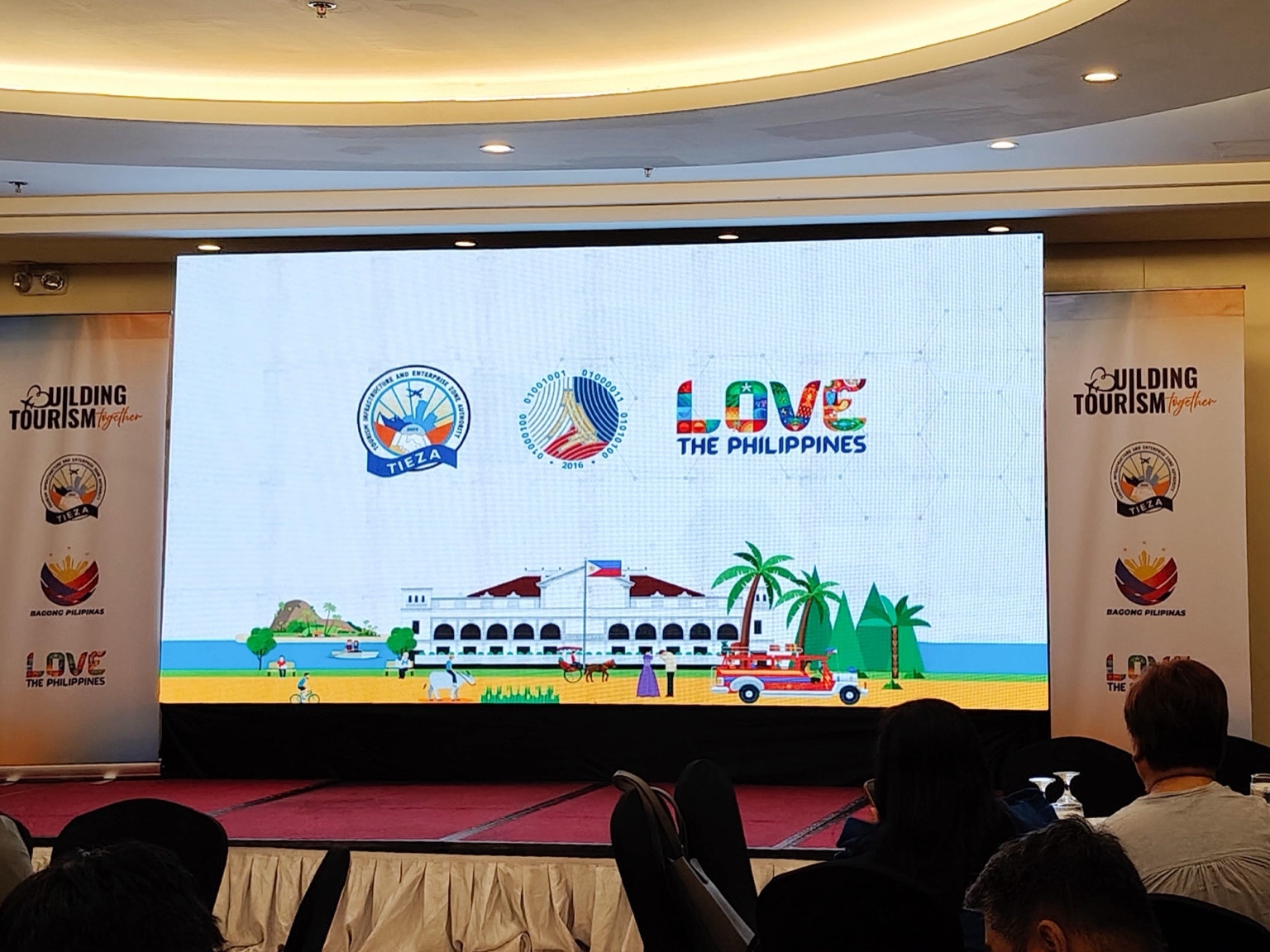
The Philippine travel experience is getting a major upgrade.
The Tourism Infrastructure and Enterprise Zone Authority (TIEZA) has announced the rollout of 40 additional Tourist Rest Areas (TRAs) across key destinations nationwide—an expansion designed to make journeys smoother, destinations more connected, and communities more engaged in the country’s growing tourism economy.

TIEZA Chief Operating Officer Mark T. Lapid said the expanded network of TRAs is part of the agency’s long-term strategy, developed with the Department of Tourism (DOT), to strengthen the country’s tourism infrastructure and ensure that travelers—local and foreign—enjoy convenient, clean, and informative stopovers throughout their trips.
“Tourist Rest Areas serve as essential stopovers for travelers—offering not only clean facilities and rest areas but also a reliable source of local tourism information and a space to showcase regional products,” Lapid said. “Each TRA reflects our goal to make travel in the Philippines more connected, more comfortable, and more community-centered.”

More TRAs, More Connected Destinations
Of the 40 new TRAs, two—located in Kabankalan, Negros Occidental and Lingayen, Pangasinan—have already been completed and are set to be turned over to their local government units.
Another 12 TRAs are currently operational and managed by LGUs in:
- Cebu Province: Medellin, Moalboal, Carcar, Carmen
- Palawan: Roxas, Brooke’s Point
- Davao del Norte: Samal Island
- Bukidnon: Manolo Fortich
- Bohol: Dauis
- Ilocos Norte: Pagudpud
- Camarines Sur: San Jose
- Sultan Kudarat: Tacurong City
The rest of the TRAs under construction will rise in Iloilo, Benguet, Pangasinan, Negros Occidental, Eastern Samar, Misamis Oriental, Tawi-Tawi, Mountain Province, and Batanes, among other priority tourism corridors.
Each TRA is designed with modern, gender-sensitive restrooms, tourist information desks, parking areas, and curated retail spaces highlighting local products—turning every stop into an opportunity to immerse travelers in local craftsmanship, cuisine, and culture.

A Blueprint for Sustainable Tourism
The TRA Program recently earned the Infrastructure Project of the Year (Tourism Category) award at the 2024 GovMedia Awards in Singapore, solidifying TIEZA’s leadership in sustainable tourism development in Southeast Asia.
Lapid emphasized that the initiative is funded directly by travel tax collections, ensuring that contributions from outbound Filipinos directly support national tourism infrastructure.

“Every travel tax payment goes a long way,” Lapid said. “It becomes a road, a rest area, or a facility that enhances the visitor experience and creates opportunities for local communities. This is a tangible example of how we are Building Tourism Together—turning contributions into lasting impact.”
Infrastructure With Community Impact
Beyond comfort and convenience, TRAs create a platform for MSMEs to thrive by offering curated spaces for local delicacies, handicrafts, and souvenirs. This gives travelers meaningful access to community-made goods and helps stimulate local economies across provinces.
TIEZA works closely with LGUs, the DOT, and local stakeholders to prioritize sites that align with tourism circuits and major road networks under the National Tourism Development Plan (NTDP) 2023–2028.

“Tourism is a shared responsibility,” Lapid added. “By working with local governments and communities, we ensure that every infrastructure project contributes to inclusive growth, sustainability, and pride of place.”
Elevating the Traveler Experience Nationwide
Launched in partnership with the Department of Tourism, the Tourist Rest Area Program aims to standardize the quality of rest stops across major travel routes—providing clean, accessible facilities, reliable tourist information, and dedicated retail areas that reflect the warmth and hospitality of Filipino culture.
For updates on TIEZA programs and tourism infrastructure projects, visit tieza.gov.ph or follow @TIEZAOfficial on Facebook and @tiezagovph on Instagram and X.