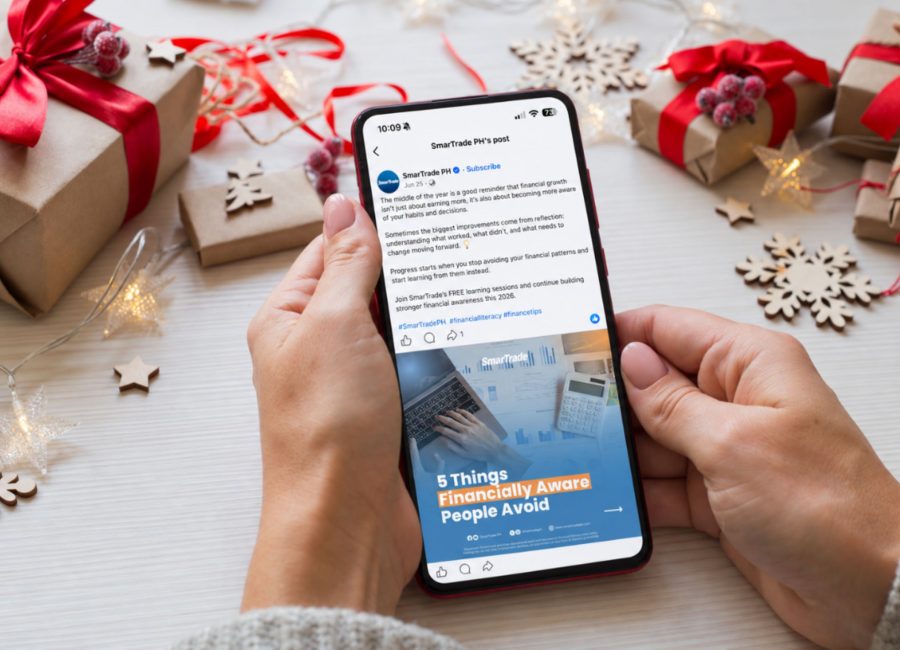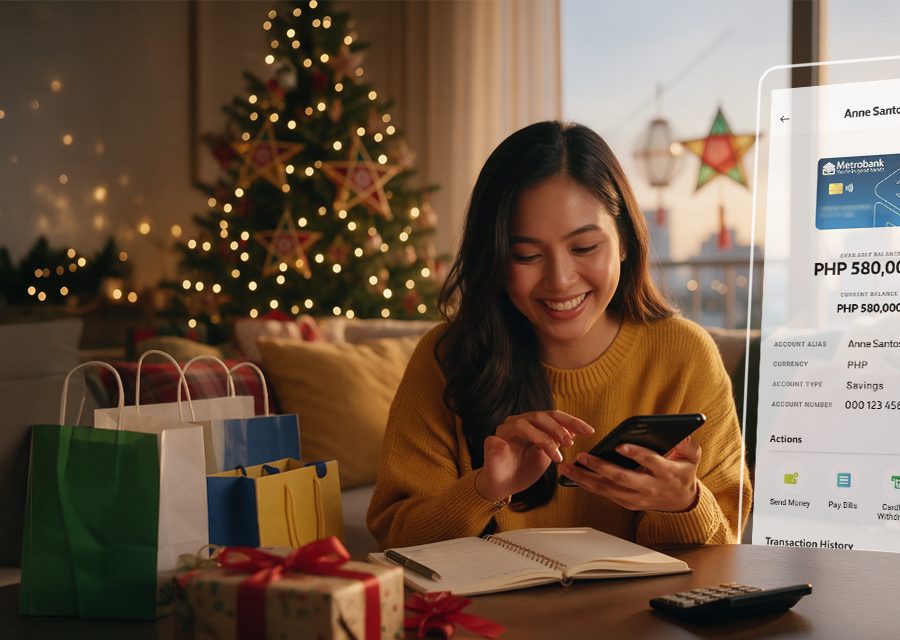


Sending money home is easier when it takes a few taps on a phone. But a convenient app does not make the charges disappear, and a successful transfer notification is only useful once the family receiving the money can actually access it.

That is one of the more practical takeaways from Visa’s Money Travels: 2026 Digital Remittances Adoption report. While digital channels feature prominently in how Filipinos move money across borders, the Philippine findings show that cost remains a problem: 37% cited high fees among the issues they experienced with digital international transfers.
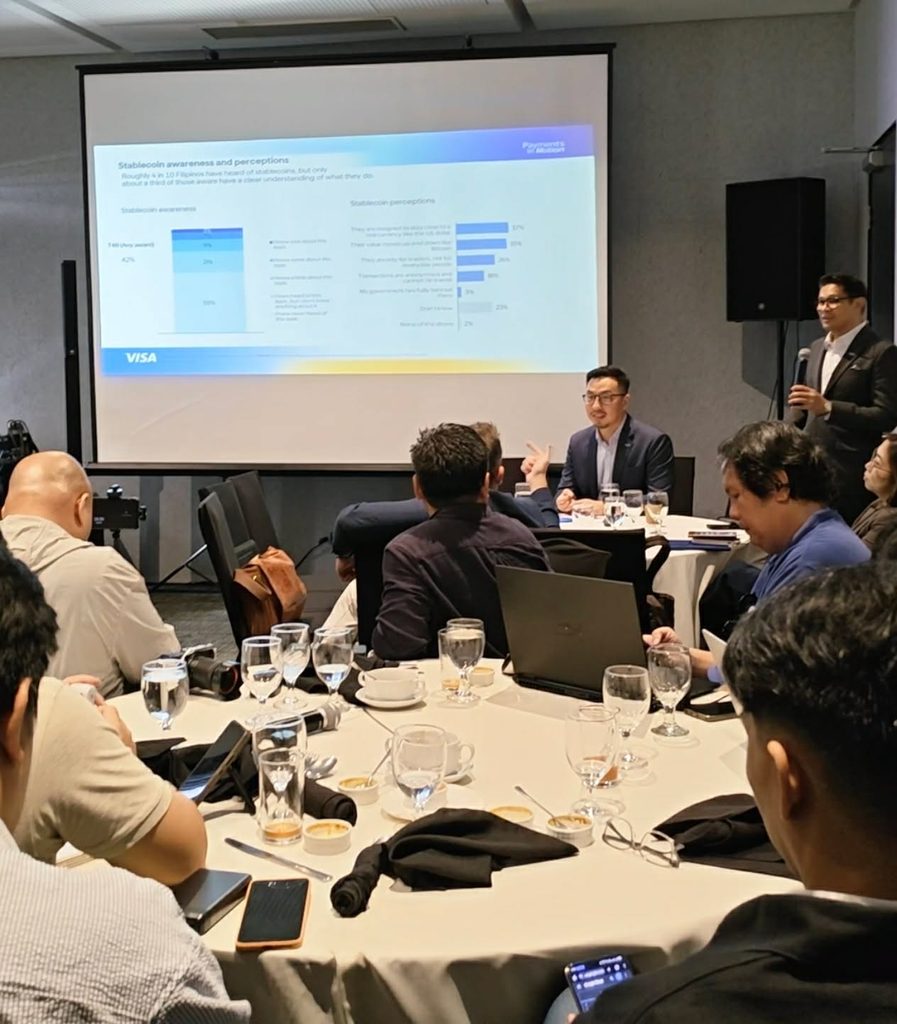
Visa presented the findings at its October 22 media briefing, “Beyond Traditional Rails: Modernizing Money Movement for Filipinos,” at SPACE at One Ayala. The research covers more than 45,000 respondents across 20 markets, with the presentation identifying a Philippine sample of 3,101 adults.
For households relying on money from relatives overseas, the findings bring the discussion back to familiar concerns: how much arrives, when it becomes available and whether the service is dependable.
The money already has somewhere to go
The Philippines stood out as a market where receiving international transfers is much more common than sending them. According to Visa’s release, 45% of Filipino respondents had received money from overseas in the previous 12 months. The presentation puts the proportion who had sent money abroad at 16%.
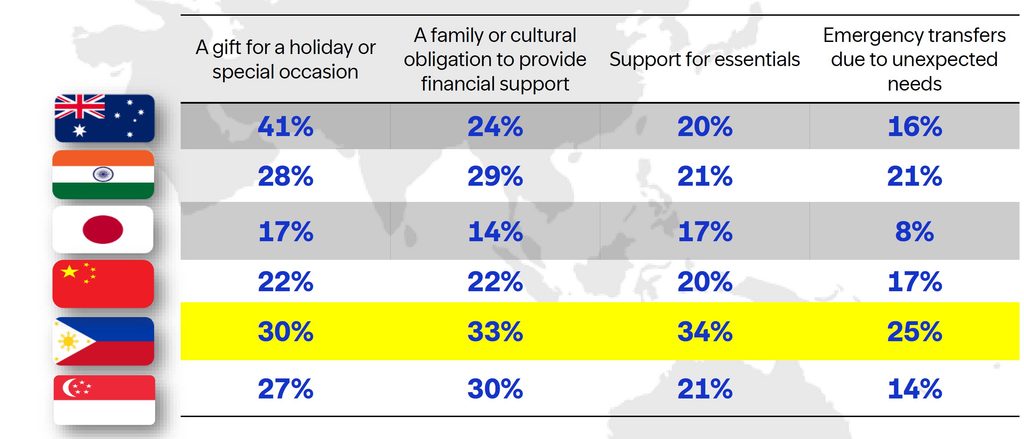
The reasons for these transfers are closely tied to household needs. Support for essentials was cited by 34%, followed by family or cultural obligations to provide or receive financial support at 33%. Gifts for holidays or special occasions accounted for 30%, while unexpected emergencies were cited by 25%.
Education or future opportunities were another reason, at 17%. Wages, salaries and other compensation for work were cited by 15%, showing that international transfers also serve Filipinos receiving overseas income.
These are survey responses about reasons for transferring money, rather than a breakdown of how every remittance peso is spent. Still, they show why cost and access deserve attention: the recipient may already be waiting to pay for something.
Digital remittances are familiar, but fees still hurt
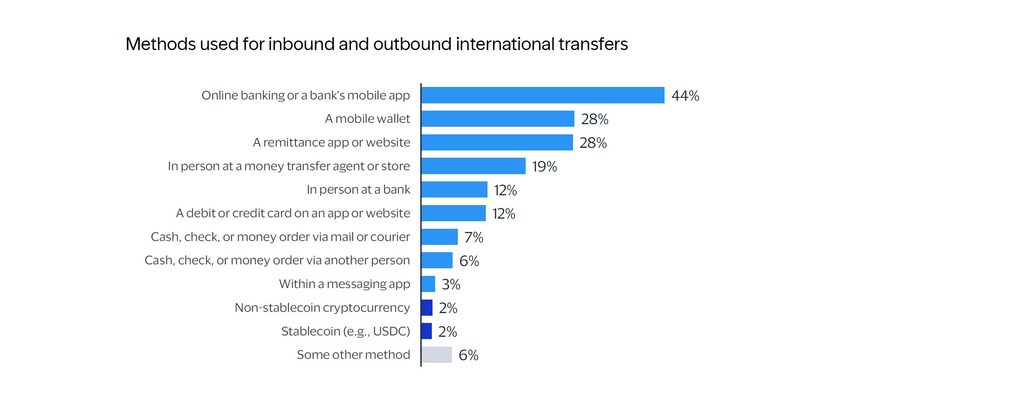
Online banking or a bank’s mobile app was the most commonly reported transfer method in the Philippine presentation, at 44%. Mobile wallets and remittance apps or websites each registered 28%.
Physical channels remained part of the picture. Some 19% reported using a money transfer agent or store in person, while 12% used an in-person bank service.
The figures describe methods used for incoming and outgoing international transfers. They are not market shares, and customers may use more than one method.
Among the digital transfer problems highlighted in the presentation, high fees led at 37%. Technical difficulties and issues calculating exchange rates were each cited by 15%. Another 12% said accessing the funds took too long, while 11% were uncomfortable sharing their financial information.
For someone comparing services, that makes the final peso amount a useful starting point. The advertised transfer fee is one part of the transaction; the exchange rate and any applicable receiving or withdrawal charges also deserve a look.
How fast is “instant”?
Mobile wallets led the presentation’s findings on speed of access, with 44% reporting access within the category labeled “instant.” The chart defines that as less than 10 minutes.
Digital transfers directly to bank accounts followed at 31%, while debit or credit card transfers through an app or website registered 20%. In-person transfers at a bank, money transfer agent or store came in at 18%.
These findings reflect reported experiences, rather than a delivery guarantee for every transfer. The distinction matters when a sender is choosing a service for an urgent expense.
Access outside banking hours is another concern. Visa’s release says 27% cited difficulty transacting beyond normal banking hours, a reminder that the family needing the money may not be able to wait until the next business day.
Stablecoins are still unfamiliar territory
Alongside established remittance methods, Visa examined attitudes toward stablecoins, digital tokens designed to stay close in value to a reference currency such as the US dollar.
Their reported use remains limited. Only 2% identified stablecoins as a method used for international transfers in the Philippine presentation.
Awareness was broader, with 42% having heard of stablecoins to some degree. However, 58% said they had never heard of them, and 79% wanted more education about how they work.
Trust also varied by transfer method. Some 81% reported trusting cash remittance transfers a lot or somewhat, compared with 79% for digital remittances and 38% for stablecoin remittances.
When asked what would build trust in stablecoin transfers, the leading response was strong security and fraud protection at 40%. Easy conversion to local currency or cash followed at 26%, faster access at 24% and lower fees than existing methods at 23%.
Those answers keep the focus on the recipient’s experience. A new payment method needs to be understandable, usable and clear about what happens if something goes wrong.
What Visa says comes next
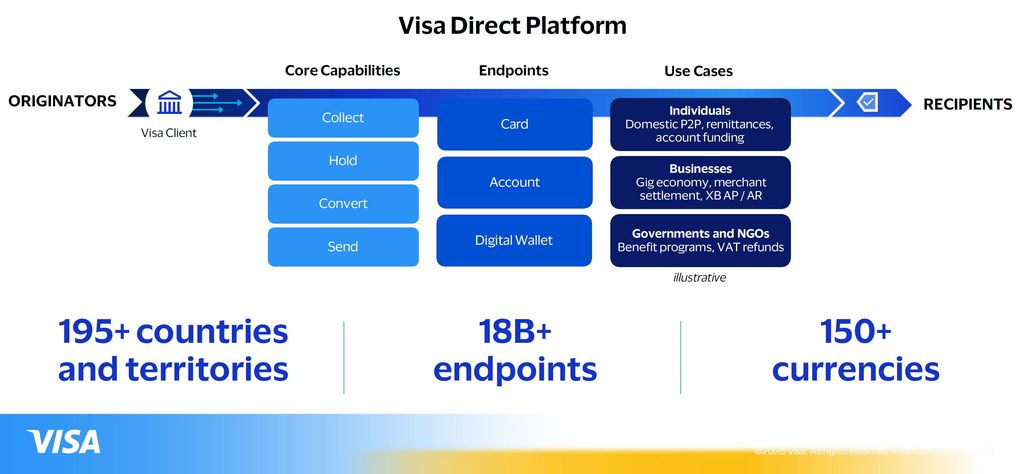
Visa’s presentation outlined its Visa Direct platform, which enables participating businesses and institutions to collect, hold, convert and send funds through connections to cards, accounts and digital wallets. It also discussed stablecoins for business prefunding, payouts and settlement.
The materials do not identify a specific stablecoin-powered remittance service available to Philippine consumers, so the discussion should not be read as a local product launch.
“With the Philippines becoming one of the most dynamic remittance markets in the region, we will continue to work with regulators as well as our bank and fintech partners to make money movement solutions more responsive to the evolving needs of Filipino consumers across the globe,” said Jeffrey Navarro, Country Manager for Visa Philippines.
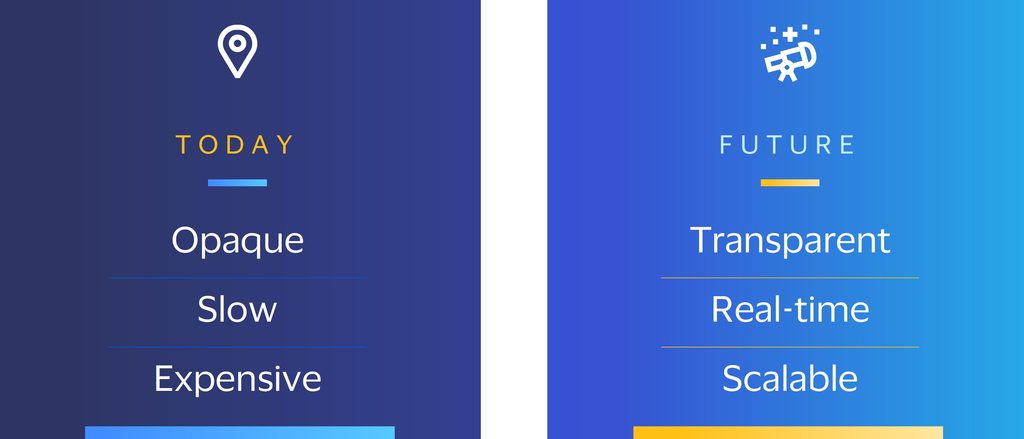
For families receiving money from abroad, improvements will be easiest to judge through the amount they can use, the time they wait and the help available when a transfer goes wrong. Those are the details that make sending money home easier in practice.
The findings are based on self-reported survey responses. The presentation says the online Philippine sample was weighted by gender, educational attainment, region and age. Questions involving bank-equivalent protections for stablecoins were hypothetical; the survey does not establish that those protections are available in an actual product.