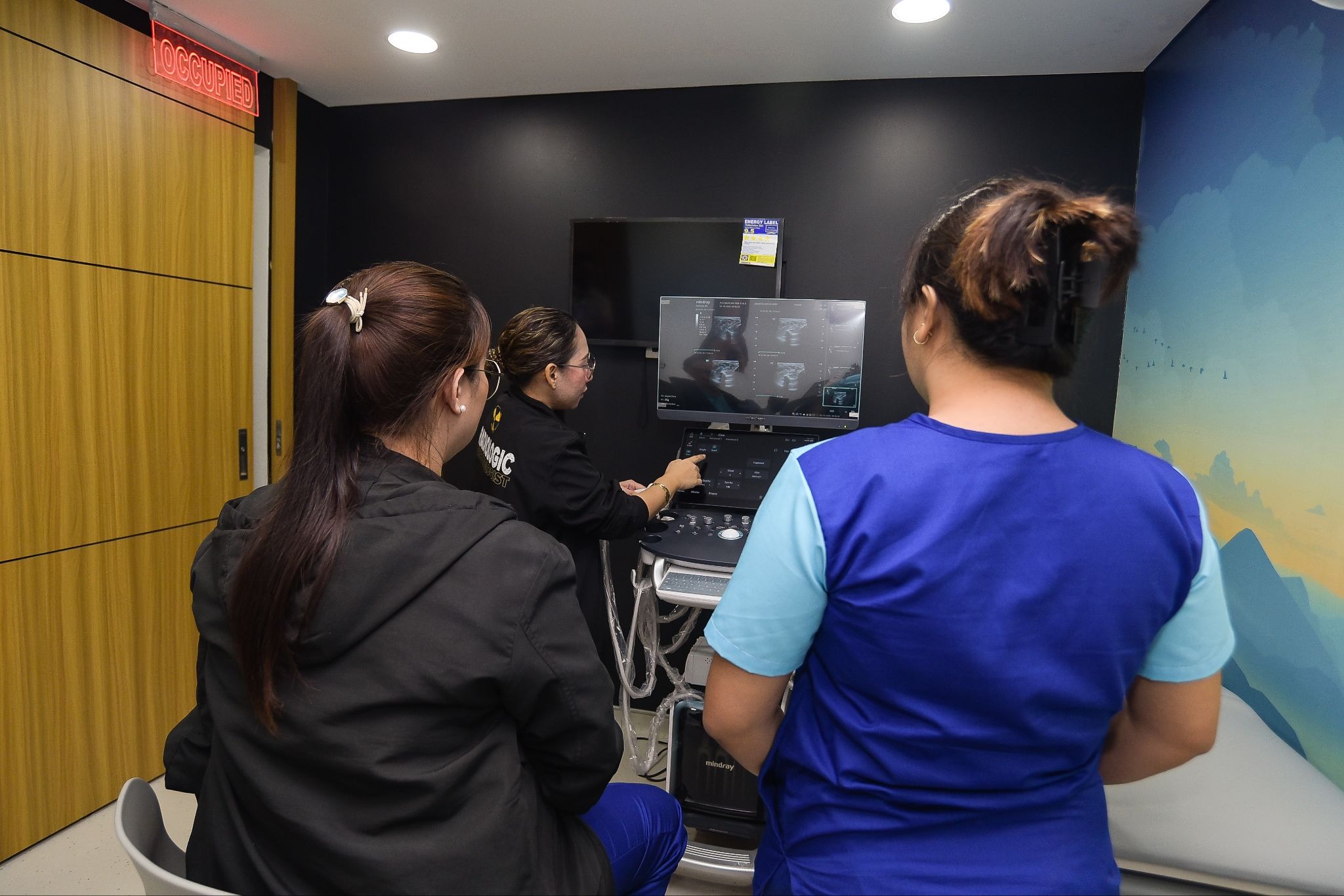

Despite the fact, and probably because of the fact that hospitals are places where the highest concentration of sick and weak people can be found, there are certain health risks inherent to hospitalization. That’s why even doctors will only recommend hospitalization when they feel it is absolutely necessary. The most compelling reason to hold off hospitalization until it is absolutely necessary is hospital acquired infections (HAI).
The numbers are compelling: in the US, the Center for Disease Control (CDC) estimates tha 10% of all hospital patients contract HAIs, that is 1.7 million people a year. These in turn account for 99,000 deaths a year in the United States alone. Strictly speaking, an HAI is an infection that is contracted as a result of hospitalization, and patients who contract these would likely not have been infected otherwise.
Even outside of hospital infectious diseases are a major problem: According to the World Health Organization (WHO), infectious diseases account for 25% of all deaths in the world annually. Both the WHO and the Center for Disease Control (CDC) in the US agree on the best way to control the spread of infectious diseases: The WHO says: “Hand hygiene is therefore the most important measure to avoid the transmission of harmful germs and prevent health care-associated infections.”1 And the CDC concurs “hand washing is the simplest, most effective measure for preventing the spread of bacteria, pathogens, and viruses.”2
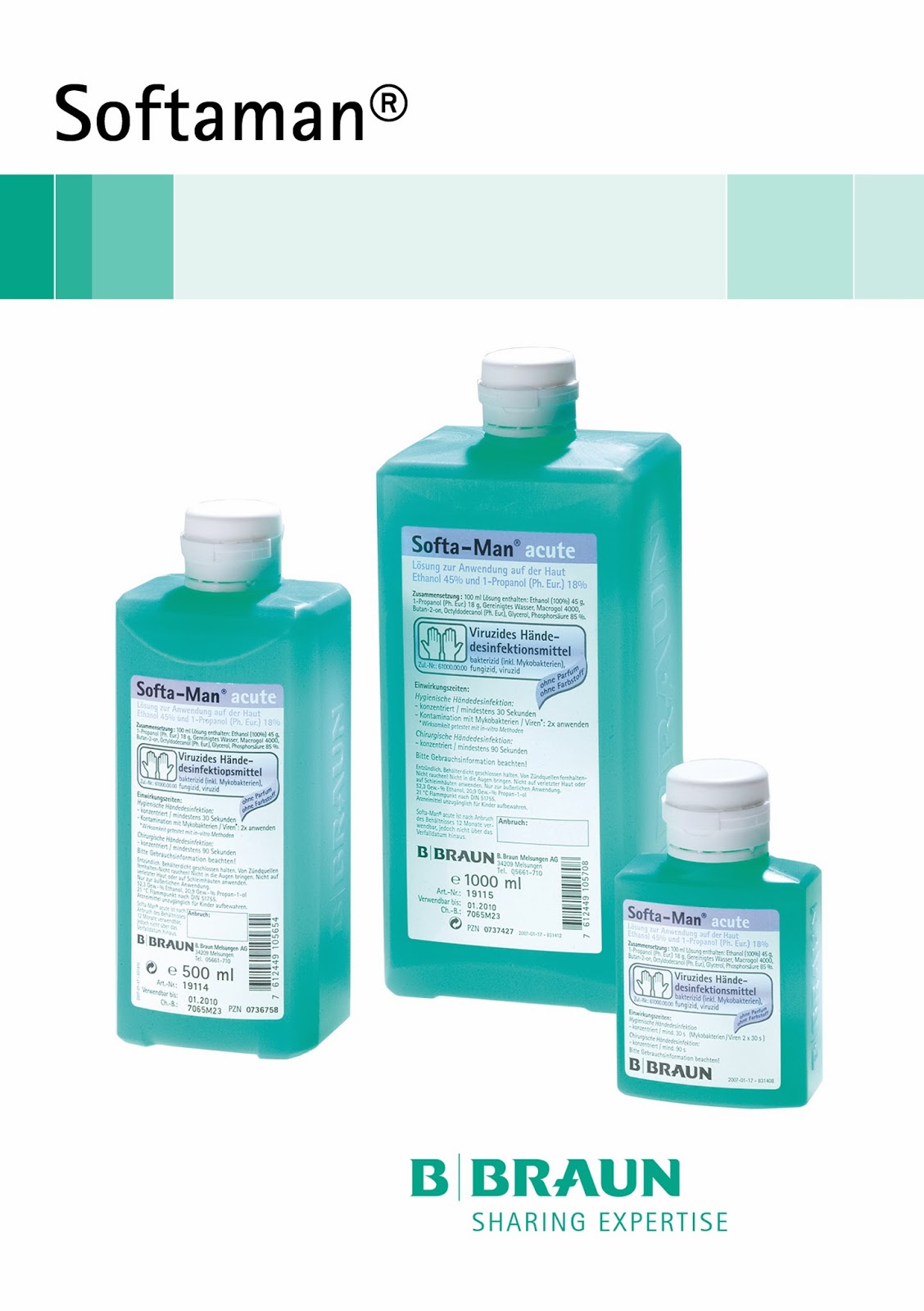
It is for this reason that the WHO started “Save Lives: Clean Your Hands” an annual global campaign to teach healthcare professionals the proper way to keep their hands clean. In support of WHO’s initiative, B. Braun, well known globally as a highly innovative company that designs and manufactures only products of the highest quality; annually stages and event called the Five Moments of Hand Hygiene workshop, aimed at teaching healthcare professionals proper hand hygiene procedures. B. Braun’s brand promise is “Sharing Expertise”. B. Braun’s belief is that expertise that is not shared, benefits nobody. It took a great deal of shared expertise to develop B. Braun’s version of what we refer to as “hand sanitizer”, Softa-Man.

Ordinary off the shelf alcohol products are Isopropyl based, or Ethanol based. Ethanol is very effective against viruses, but has limited effect on Bacteria. Isopropyl on the other hand is not as effective against viruses as Ethanol, but it has some bacteria killing action and some virus killing action, making it a good compromise. Softa-Man® is not about compromise. Softa-Man® is a combination of Ethanol and the highly effective anti-bacterial N-Propanol and this makes it more effective against a much broader spectrum of viruses and bacteria than any off the shelf brand, and even other hospital grade brands.
Softa-Man® is also clinically proven to be the most effective brand by far against deadly Multiple Drug Resistant Organisms. Put simply, it kills more germs and more kinds of the worst kind of germs by far than any other brand. It also contains the hi-grade dermoprotectors Dexpanthenol, Allantoin and Bisabolol, as well as moisturizers, so unlike other hospital grade brands, it won’t cause hands to flake and peel from dryness even with regular use. The beauty of simple things like proper hand hygiene and everyday products like Softa-Man®, is that they empower even ordinary people to literally save lives.
Sources:
1. Hygiene
2. http://www.joe.org/joe/2009february/rb7.php