

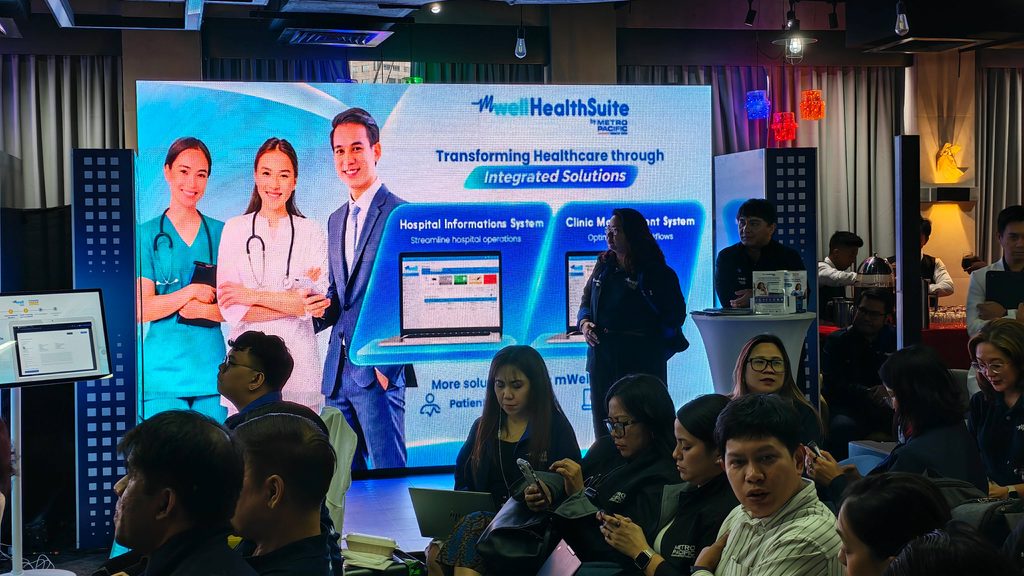
A clinic visit starts at the front desk, but your information still has a few stops to make. The doctor needs your record. The pharmacy needs to know what was prescribed. The cashier needs to know what to bill. At mWell NEXT, the company showed how those handoffs could work with a single patient record inside a clinic.
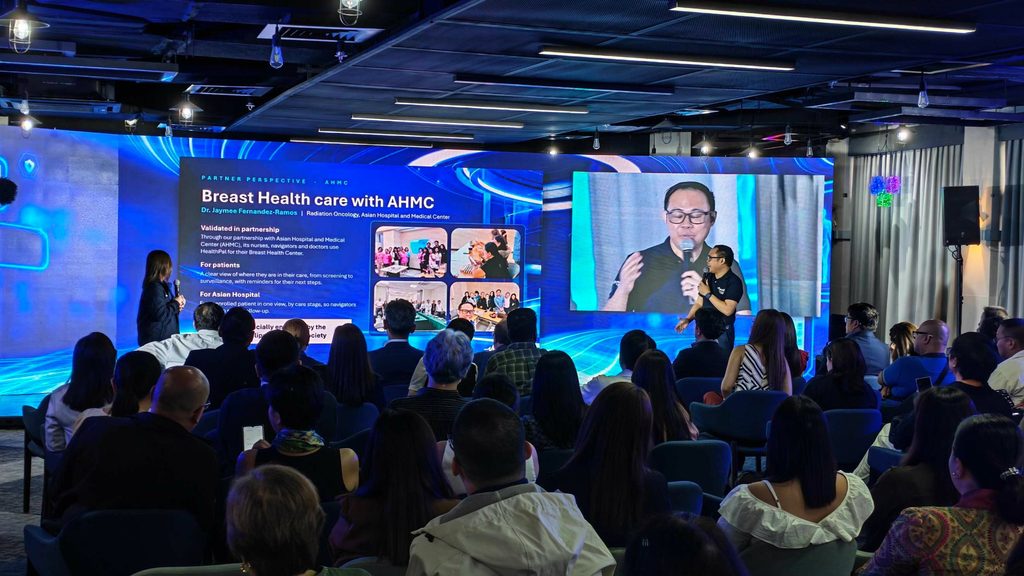
Since launching in 2020, the app has brought together teleconsultations, mental health support, pharmacy services, diagnostics, home care, fitness, and nutrition. At NEXT, the digital healthcare arm of Metro Pacific Investments Corporation (MPIC) showed what it’s building for the people on the other side of the appointment, too. That includes mWellMD for doctors, mWell HealthSuite for clinics and hospitals, and HealthPal for patients and their care teams.

Dr. Raymond Sarmiento, mWell’s chief operating officer, summed up the problem in the release. “Too much of Philippine healthcare still runs on paper, human memory, and the patience of patients and their families.”
One record from the front desk to the cashier
In the Clinic Management System demo, front-desk staff first searched for an existing patient record to avoid creating a duplicate. A new patient received a medical record number that carried through the consultation, lab and medication orders, pharmacy review, and billing. Each staff member worked in the parts of the system their role allowed them to access.
The Clinic Management System also covers laboratory and administrative workflows and includes a PhilHealth-certified YAKAP claims management system. The presentation discussed how clinics could add departments, configure workflows, and manage multiple sites as they grow. For hospitals, HealthSuite’s Hospital Information System connects patient records, clinical services, and administrative operations. Real-time reporting and a live bed board came up in the presentation as examples of tools hospital teams could use to keep track of operations.
Two other HealthSuite tools handle the parts of the visit patients see. Patient Engagement gives providers tools for appointment booking and communication. HealthHub lets people find and book clinic and healthcare services through the mWell app.
What the AI Doctor Assistant does during a consultation
Part of HealthSuite, mWellMD is an electronic medical records platform designed by doctors for doctors. It supports scheduling, patient records, clinical documentation, billing, prescriptions, and referrals.
Its AI Doctor Assistant can transcribe a consultation and draft clinical notes, including SOAP notes. All AI-generated clinical outputs are subject to physician review and approval. The idea is to spend less of the consultation on documentation and leave more room for the conversation.
HealthPal helps patients keep track between visits
Built into the mWell app, HealthPal is designed for people living with chronic conditions, patients undergoing cancer care, and seniors who need ongoing assistance. Users can log symptoms and vital signs, track medications, set reminders, and keep health records and notes. They can also add family members, caregivers, and healthcare providers to their care team and share health reports with them. That gives the people helping with care a way to keep up with progress, coordinate tasks, and manage treatment plans.
For someone going through cancer care, HealthPal lays out the stages from screening and diagnostics to treatment and surveillance. Patients can see what comes next, keep track of appointments and care tasks, monitor progress, and refer back to their care plans. mWell says the feature is the first of its kind in the country and the first and only cancer care feature in a Philippine health app officially endorsed by the Philippine Cancer Society.

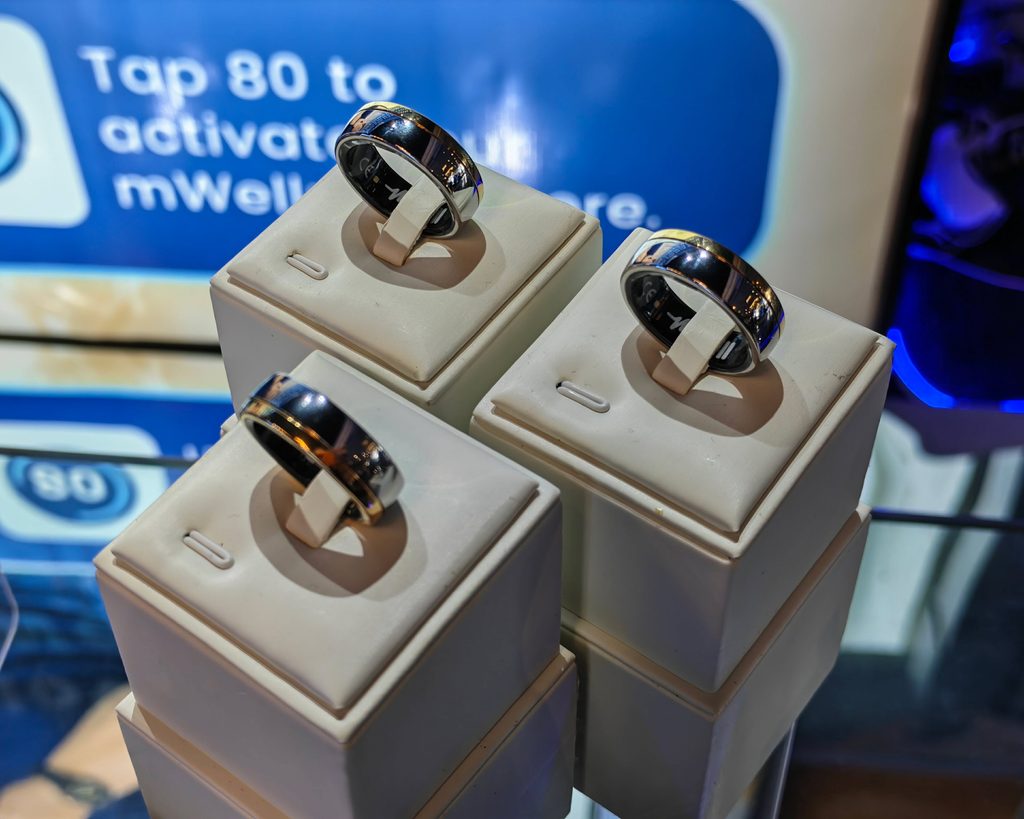
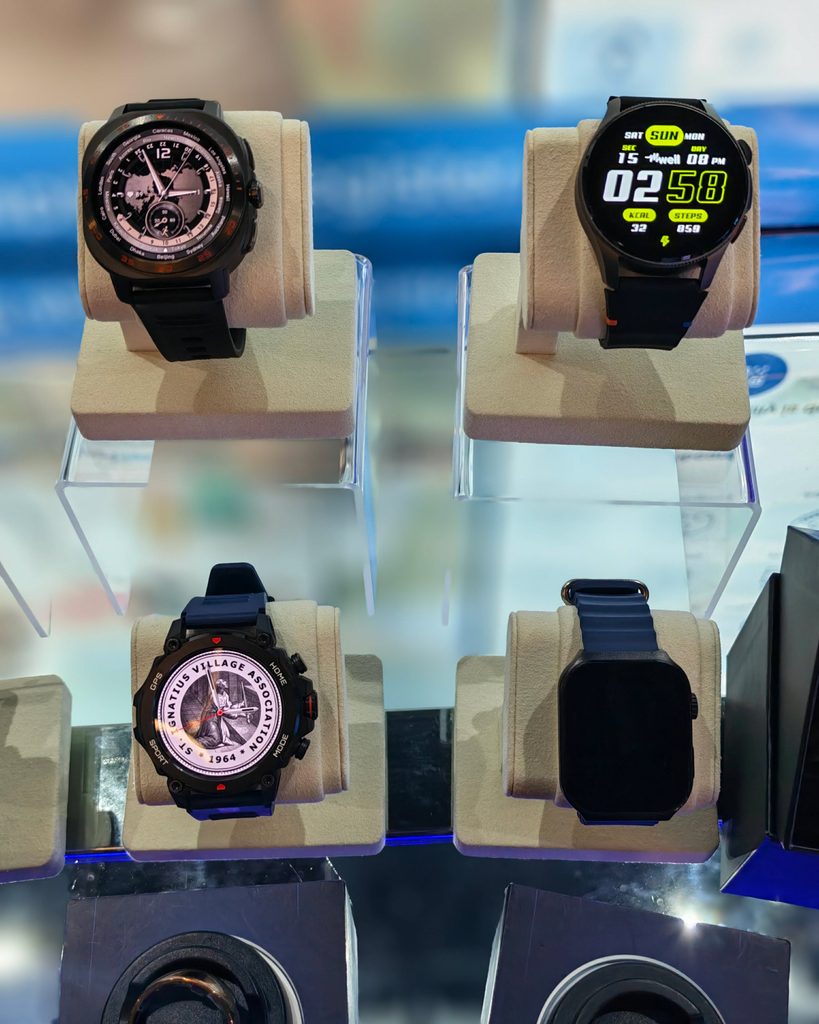
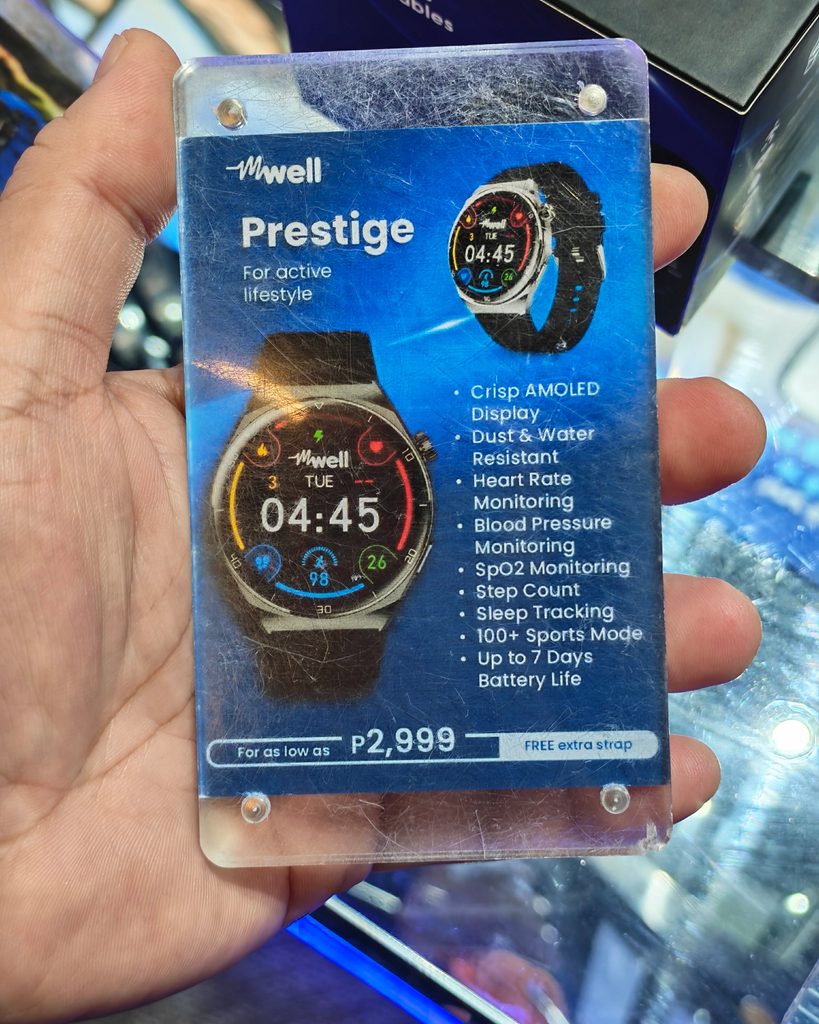
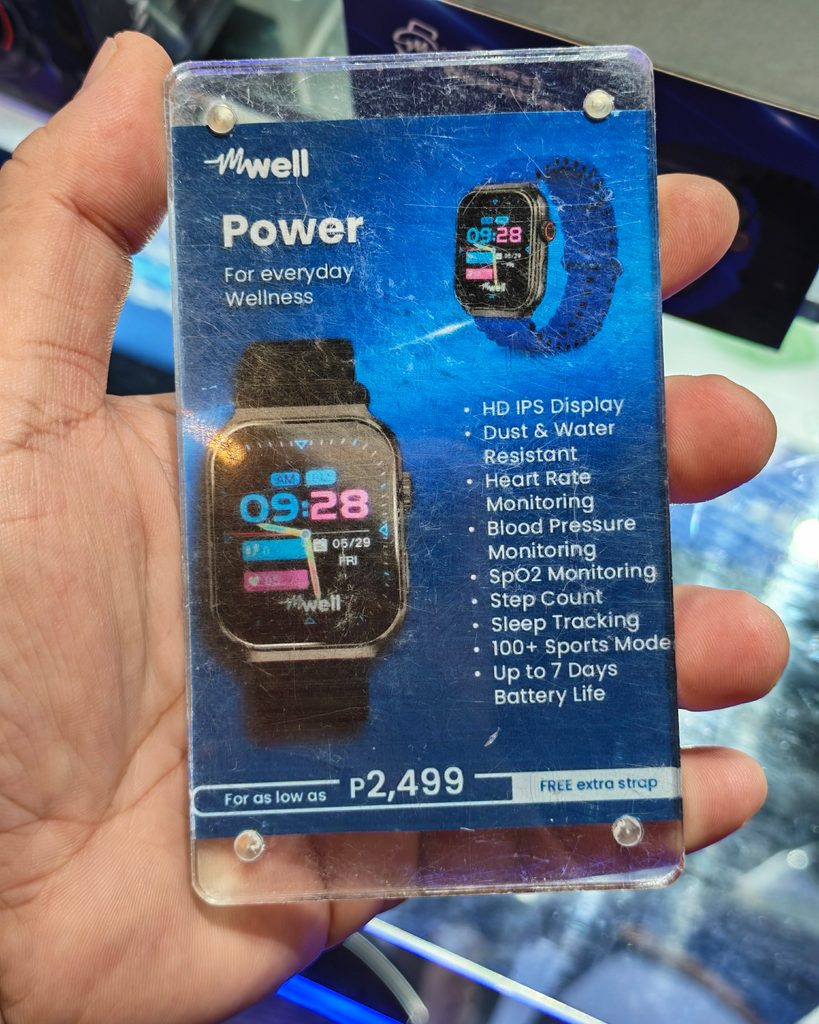
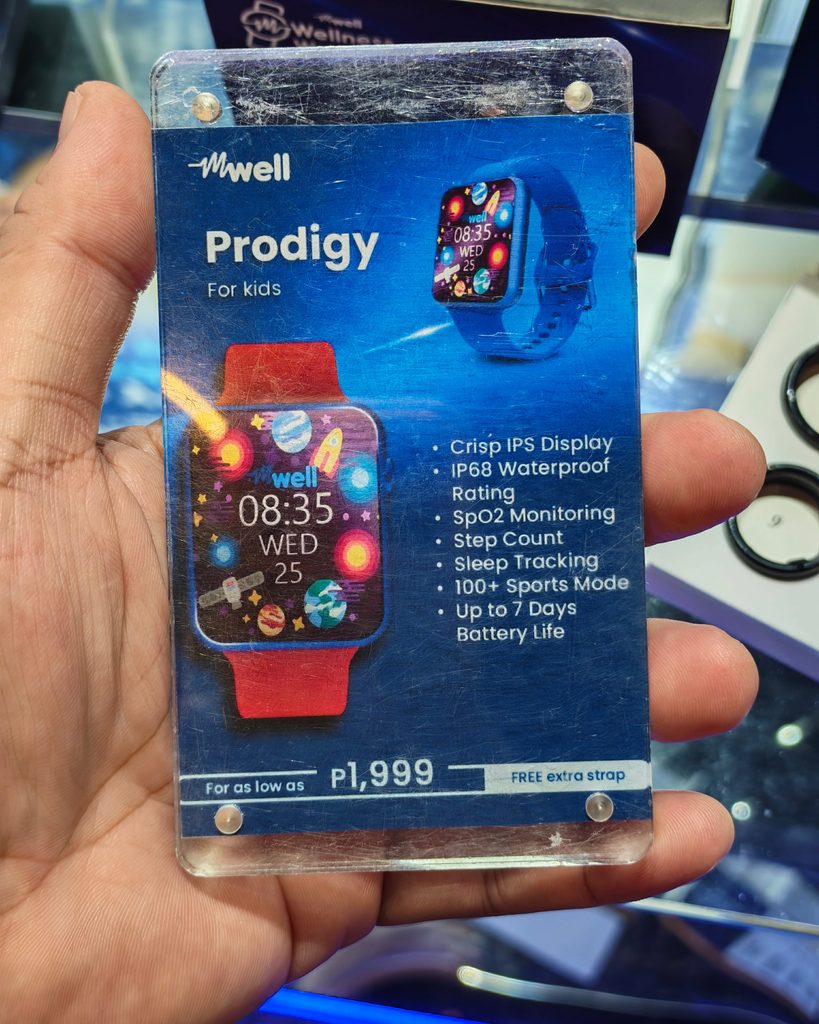
The app also has tools for everyday wellness. The mWellness Score uses health data, including information from connected devices such as the mWell Watch and mWell Ring, to give users a view of their overall wellness. The Mind Health Score comes with free self-guided tools and resources to help users understand their mental well-being.
Keeping track when care involves more than one provider
The presentation raised another familiar problem. If you’ve seen several doctors or had blood work done at different facilities, it can be hard to remember who ordered which test and where you had it done. mWell presented the Health File as a way for health maintenance organizations, or HMOs, to track requests and where members had tests done, so they can follow up when someone needs help staying on their treatment plan. The presentation also discussed coordinating care across hospital departments and helping local governments track health conditions among residents.

Those examples fed into a broader discussion at NEXT about access to healthcare services, stronger primary care, and continuity when patients move between providers. Manuel V. Pangilinan, chairman of mWell and MPIC, said, “At the MVP Group, we believe technology can play an important role in bridging these gaps.”
Chaye Cabal-Revilla, mWell president and CEO and MPIC’s chief finance, risk and sustainability officer, put the expansion in practical terms. “By extending our solutions to doctors, clinics, and hospitals, we are addressing needs beyond the patient-facing experience.” Gary Dujali, mWell’s chief revenue and marketing officer, said the company is looking to build partnerships that bring the tools to more providers and patients. Throughout the event, mWell emphasized that the technology should support the judgment of healthcare professionals and the relationships they build with patients.
A clinic visit can take an afternoon. The work of keeping track of the next test, the next appointment, and what your family needs to know can stretch for weeks. That’s where the tools mWell showed have a practical job to do.
The mWell app is available on Apple’s App Store and Google Play. mWell also supports the MVP Group’s Gabay Kalusugan advocacy for quality, affordable healthcare and cites the UN’s Sustainable Development Goal 3 on good health and well-being as part of its work.