

Did You Know 5,000 Smartphones Are Sold Every Day in the Philippines?
It’s a staggering number. Every single day, Filipinos purchase 5,000 smartphones, along with 1,400 televisions, 1,000 air conditioners, and 700 refrigerators.
Add to that a motorcycle market so massive that the Philippines ranks 5th largest in the world, with ₱4.5 billion worth of motorcycles and e-bikes financed, and you begin to see the sheer scale of how technology and lifestyle upgrades define our daily lives.
But behind many of these transactions is a company that most Filipinos now know by heart—Home Credit.
From the Unbanked Majority to Financial Access
When Home Credit arrived in the Philippines back in 2013, it entered a country where millions of Filipinos were still “unbanked.” Formal credit was reserved for those who carried credit cards or could provide collateral. Everyone else was left with limited—and often unsafe—options.
This gap was what Home Credit set out to bridge. By partnering directly with appliance stores, smartphone retailers, and big-name brands, the company gave consumers an easier, safer way to purchase what they needed through affordable installments.
And it worked.
Fast forward to today, and the Philippines is no longer just one of Home Credit’s many markets—it has become its largest and fastest-growing one worldwide, even surpassing the Czech Republic where it originated. To put this into perspective: there are now more Home Credit users in the Philippines (12.2 million) than the entire population of the Czech Republic (10.9 million).
12 Years, 12 Million Stories
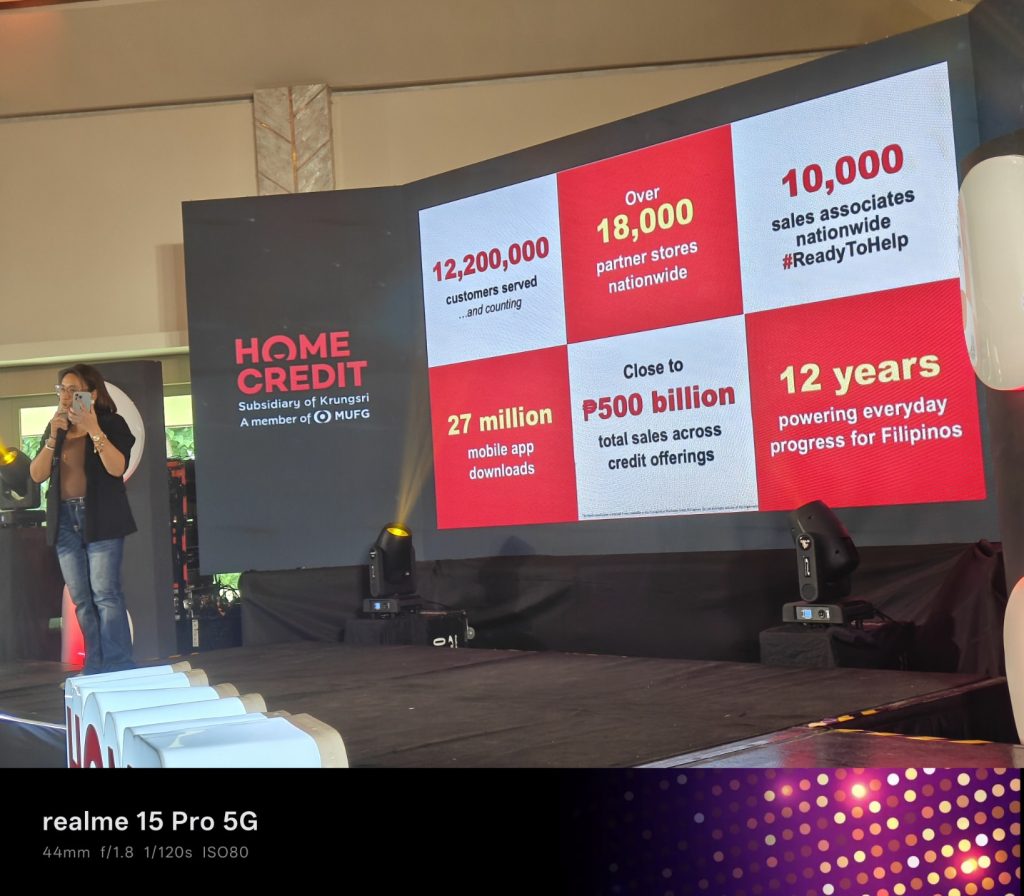
Over the last 12 years, Home Credit has helped turn once “invisible” Filipinos into financially empowered customers. The numbers reveal the depth of its impact:
12.2 million customers served since 2013.
A nationwide footprint with over 18,000 partner stores.
10,000 sales associates across the country, always “ready to help.”
Close to ₱500 billion in total sales financed through its offerings.
27 million app downloads, making it one of the most widely used financial apps in the country.
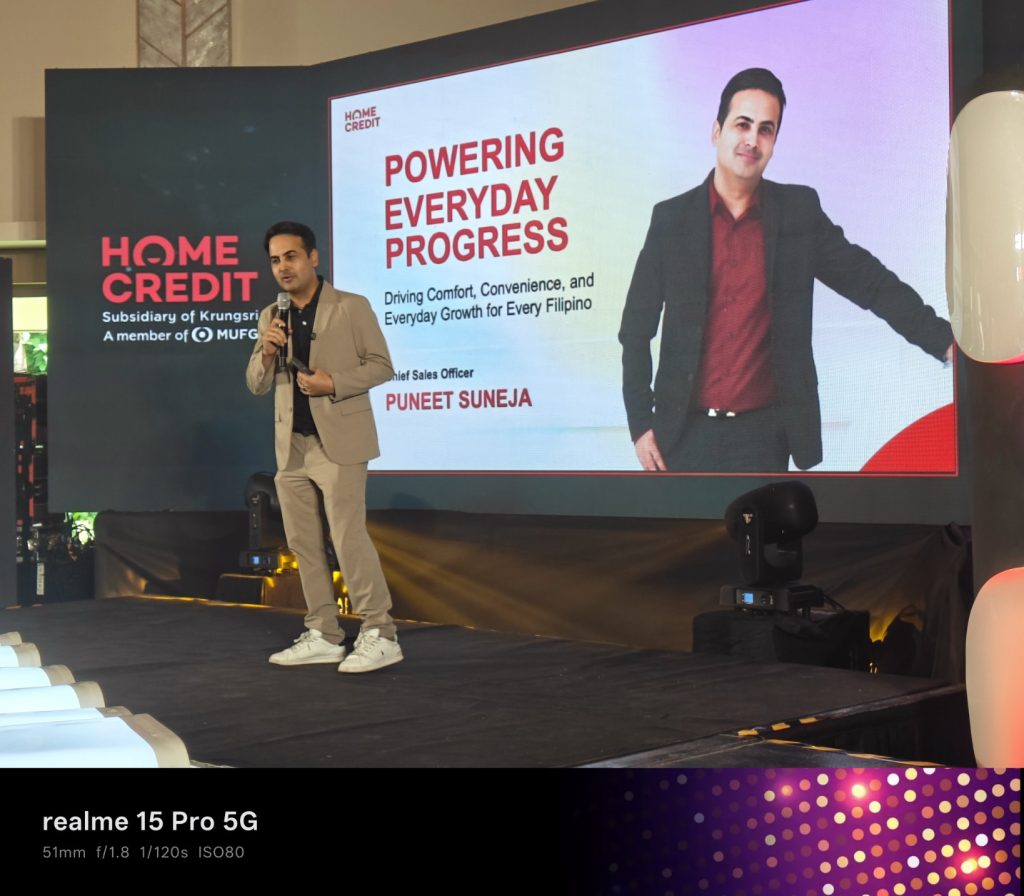
12 years of powering everyday progress.
Beyond the sheer scale, the profile of customers shows how Home Credit has lived up to its mission of financial inclusion:
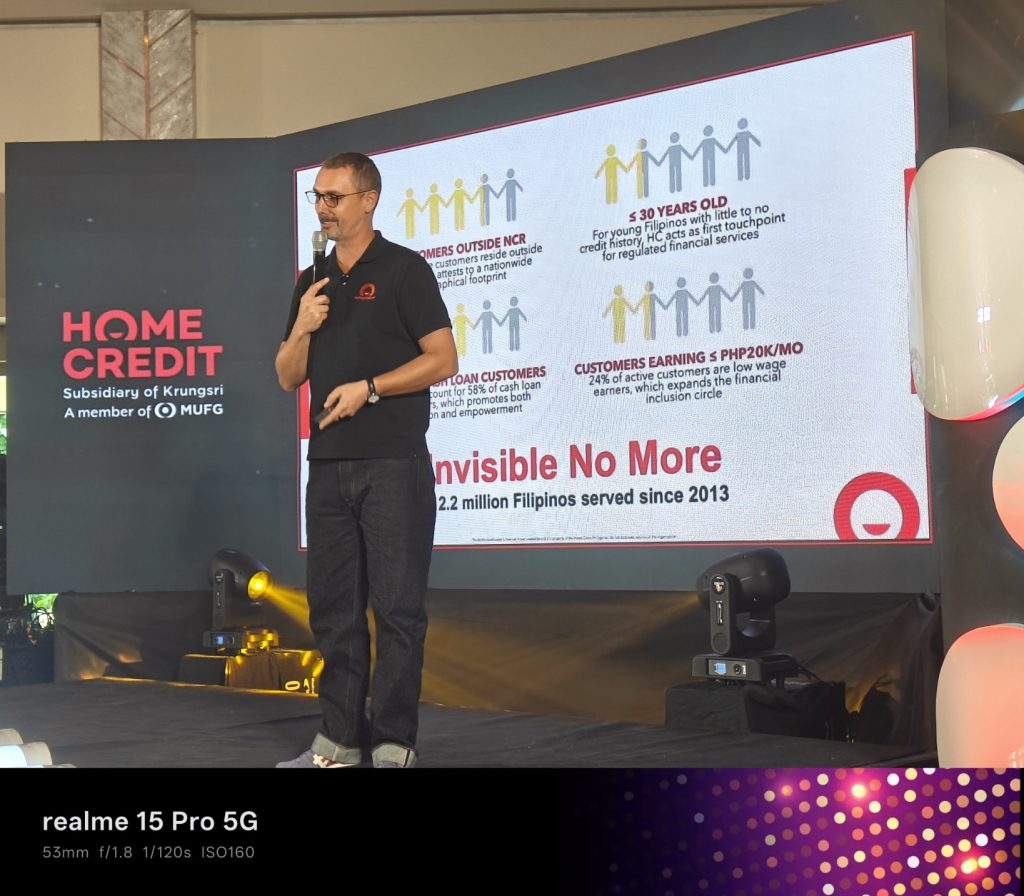
68% of customers are based outside Metro Manila, proving that financial access has spread across provinces.
58% of cash loan clients are women, underscoring the empowerment of mothers, homemakers, and entrepreneurs.
24% of borrowers earn ₱20,000 or less per month, a segment typically ignored by traditional banks.
A majority are 30 years old or younger, often first-time borrowers, gaining their very first credit history.
In the words of the campaign, these customers are now “Invisible No More.”
Everyday Comforts, Everyday Credit
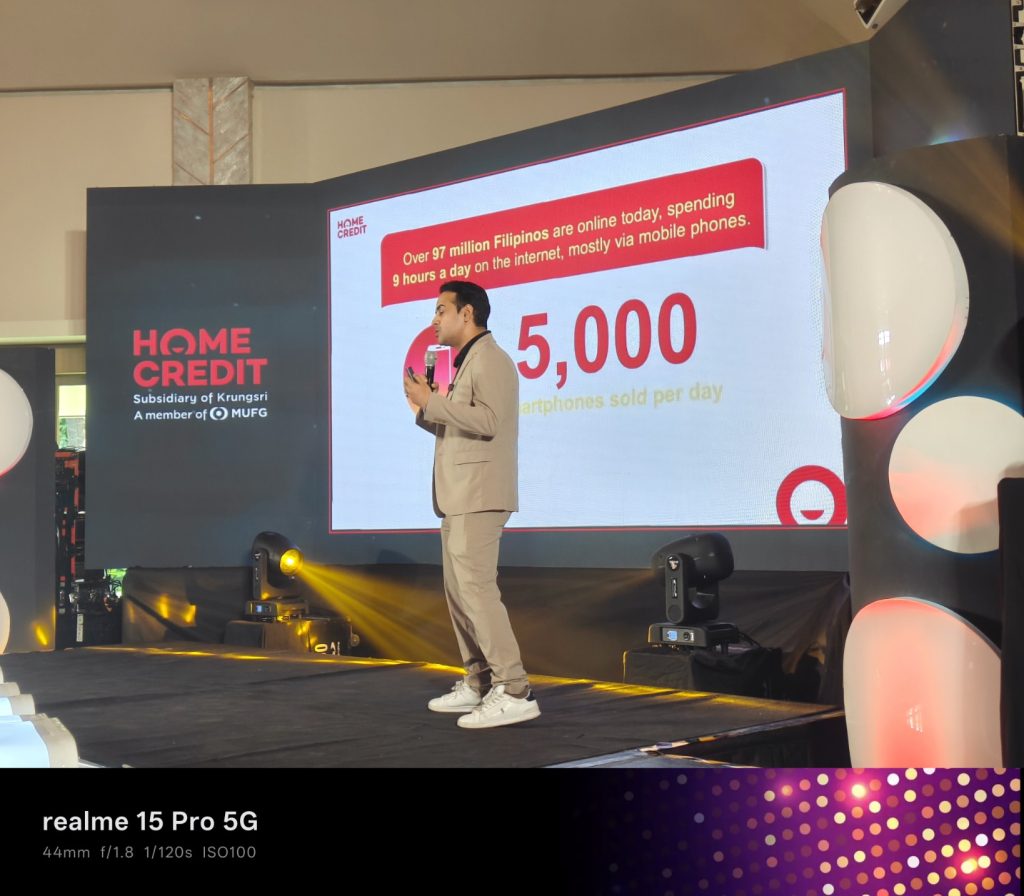
The Philippines has one of the most digitally active populations in the world, with 97 million people online, spending an average of nine hours a day connected—mostly through their phones.
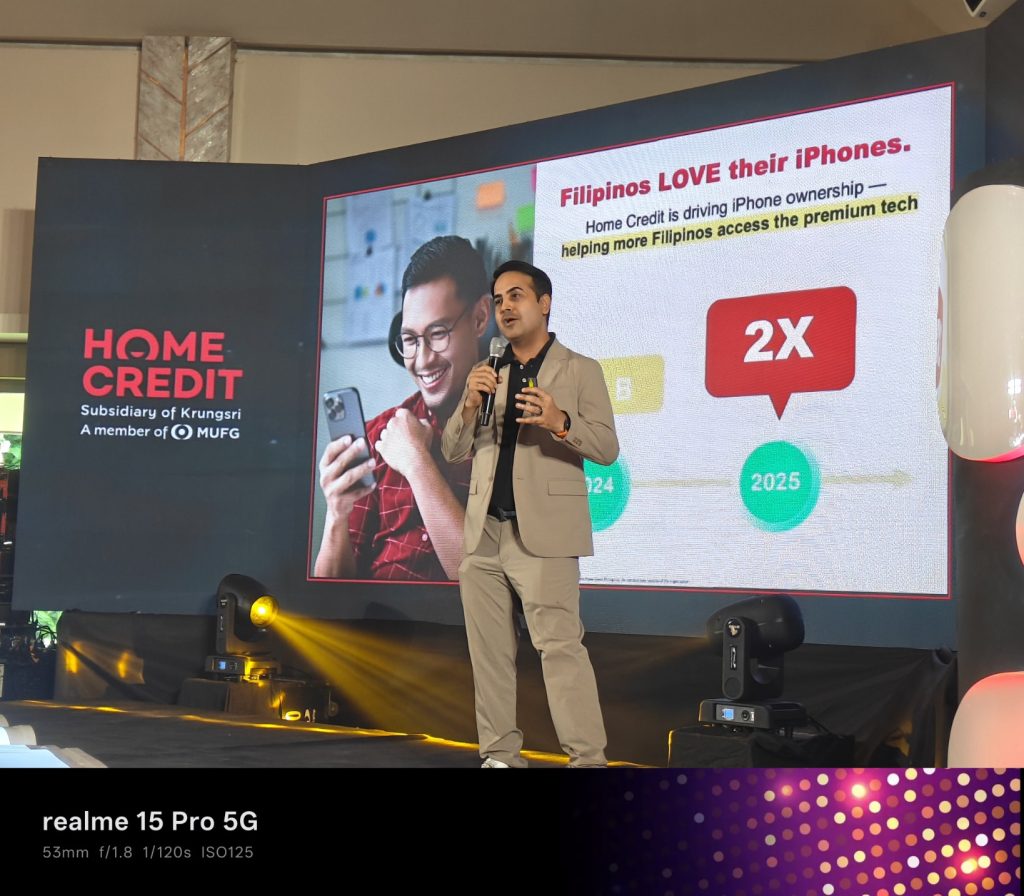
That’s why it’s no surprise that smartphones top the list of financed products, with 35,000 units sold daily. Among them, iPhones remain a prized purchase. In 2024, Home Credit financed ₱10 billion worth of iPhones in the country, and that number is expected to double in 2025.
But it doesn’t stop at smartphones. Home Credit has extended its reach to home appliances that define comfort and convenience:
1,400 televisions sold per day—keeping families entertained and informed.
1,000 air conditioners sold per day—making life more bearable in a tropical climate.
700 refrigerators sold per day—ensuring food storage and household efficiency.
For many households, these are not luxuries, but essentials. By financing them, Home Credit has enabled families to live better, more comfortable lives.
More Than Gadgets: Mobility and Livelihood
Another area where Home Credit’s impact is felt strongly is transportation. With the Philippines ranking as the 5th largest motorcycle market in the world, the company has played a pivotal role in financing this everyday necessity. In fact, it has already financed ₱4.5 billion worth of motorcycles and e-bikes, making mobility more accessible not just for riders but also for gig economy workers and breadwinners who rely on these vehicles for livelihood.
A financed motorcycle doesn’t just get someone from point A to B—it can mean faster food deliveries, more reliable commutes to work, and additional income streams for families.
Building Trust, One Loan at a Time
Perhaps Home Credit’s greatest achievement isn’t just in the numbers but in building trust among Filipinos who were once excluded from financial systems. For a young worker, that first smartphone loan may be their first brush with formal credit. For a mother managing household needs, a financed refrigerator becomes proof of her financial capability. For a delivery rider, a motorcycle loan isn’t just mobility—it’s empowerment.
Each successful repayment builds a credit history, transforming customers from “unbanked” to financially recognized. That’s how financial inclusion works—not as a one-time transaction, but as a cycle of trust and opportunity.
“Invisible No More”
The phrase “Invisible No More” has become Home Credit’s banner in the Philippines, and it’s more than just a marketing slogan. It captures the experience of millions who, for the first time, have been seen by the financial system.
Women, low-income earners, and first-time borrowers now make up a large share of Home Credit’s customers. They represent groups long ignored by banks, but now empowered by access, convenience, and dignity.
The Road Ahead
Looking forward, Home Credit shows no signs of slowing down. With 27 million app downloads already under its belt, the company is investing even more in digital services, making credit applications faster, payments simpler, and loan management easier.
It’s also doubling down on financial literacy initiatives, recognizing that true inclusion doesn’t stop at access—it continues with education. Customers aren’t just taught how to borrow, but how to borrow responsibly, how to manage repayments, and how to build lasting creditworthiness.
The company’s trajectory is clear: expand reach, deepen trust, and power everyday Filipino progress—whether that means a new iPhone, a much-needed refrigerator, or a motorcycle that fuels someone’s livelihood.

From 12.2 million customers served to ₱500 billion in total sales financed, Home Credit’s numbers are impressive. But what’s more impressive is the human story behind those figures: students staying connected, mothers running households, riders building livelihoods, families enjoying comfort at home.
In just 12 years, Home Credit has turned financial exclusion into empowerment, making the Philippines not just its biggest market but also its proudest success story.
So the next time you see someone scrolling on a new smartphone, watching on a flat-screen TV, or riding a motorcycle to work, remember—there’s a good chance that Home Credit helped make it possible.