
I wasn’t expecting much from Toy Story 5.
As far as I was concerned, the franchise had already reached its emotional peak with Toy Story 3. Andy’s goodbye felt like the perfect ending. Toy Story 4, while divisive among some fans, managed to give Woody a fitting sendoff. It wasn’t necessary, but it justified its existence.
So when Disney and Pixar announced a fifth film centered around toys competing with technology, my first reaction was simple:
Here we go again.
“Toys vs. tech” isn’t exactly a new idea. It felt like another attempt to bring back beloved characters only to remind us that they were becoming obsolete. I wasn’t convinced the series had anything new left to say.
Thankfully, I was wrong.
Very wrong.
More Than Toys vs. Technology
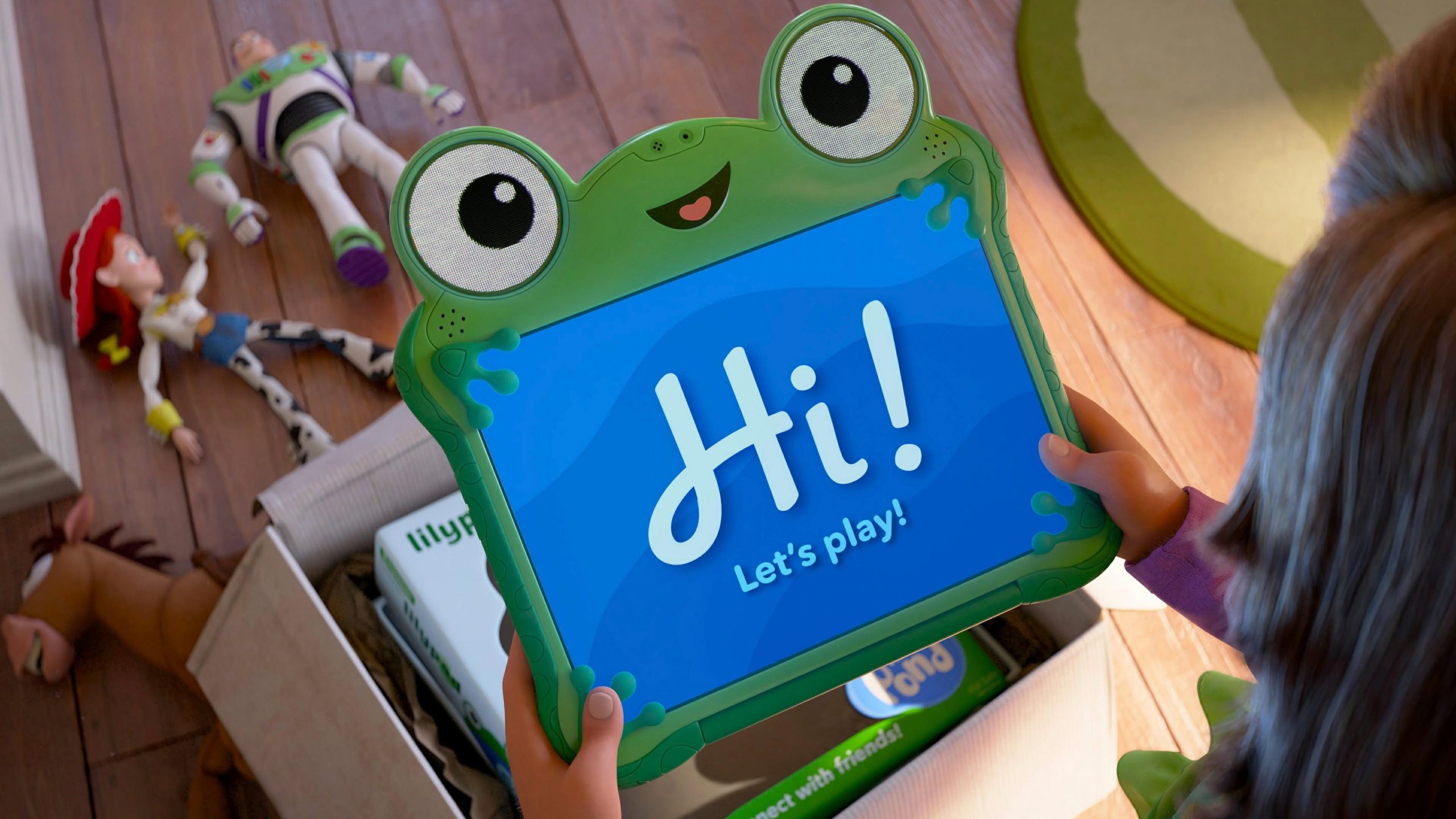
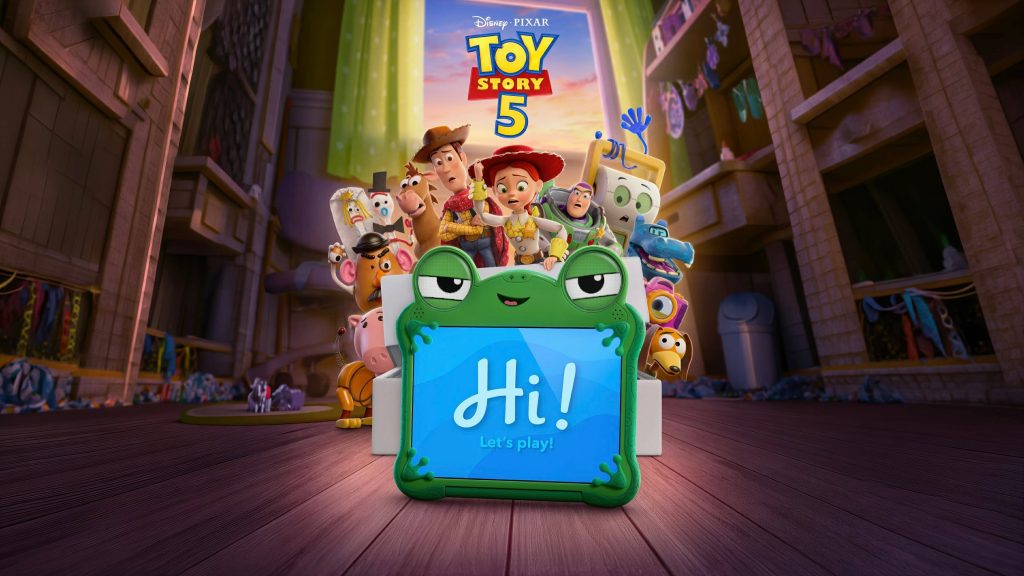
The marketing leaned heavily on the conflict between traditional toys and Lilypad, the tablet that captures Bonnie’s attention. At first glance, it seems like a familiar story about screens replacing imagination.
And honestly, that’s not a difficult concept to relate to.
I rarely saw my nephew play with toys growing up. Aside from the occasional light-up toy guns, most of his free time revolved around a phone screen and Roblox.
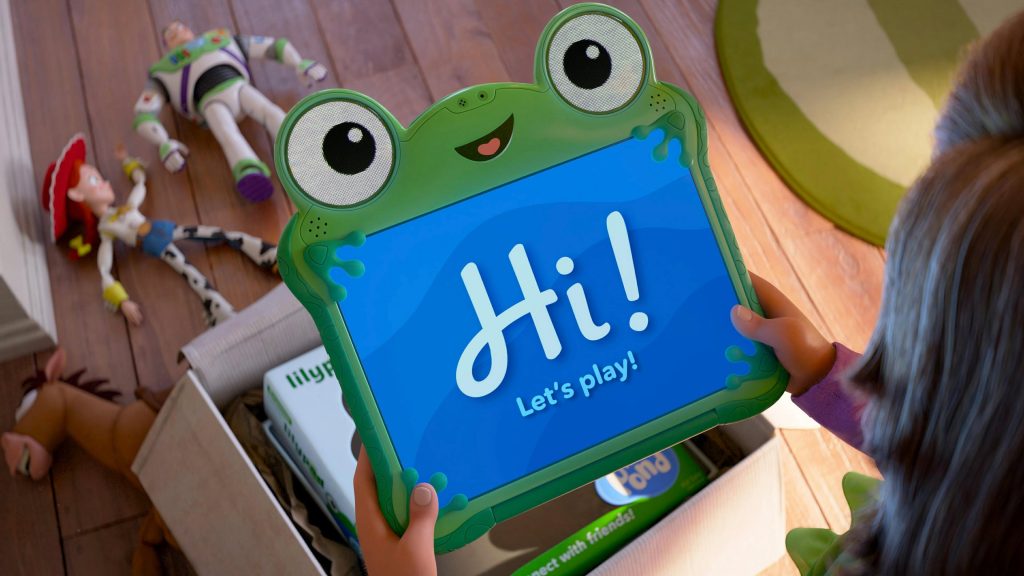
Even in the collector community, toys have changed. Many aren’t bought to be played with anymore. They’re displayed, photographed, admired, sealed inside acrylic cases, and sometimes sold when the market value is right.
I’m guilty of that myself.
My shelves are filled with figures that haven’t been opened, or touched in years. Though my age might have a lot to do with that. but still.
But the more I thought about it, the more I realized that toys have been competing with technology for most of my life.
First it was Atari and Game & Watch. Then Nintendo. Then PlayStation, Xbox, PCs, smartphones, tablets, and now AI.
The competition didn’t start with Lilypad.
What Toy Story 5 understands is that technology itself isn’t the problem.
The real issue is belonging.
The Next Stage of the Toy Story Journey
Looking back, every Toy Story film feels like it represents a different stage of life.
Toy Story was about childhood, identity, and finding your place.
Toy Story 2 explored purpose and meaning.
Toy Story 3 dealt with growing up, change, and learning to let go.
Toy Story 4 focused on reinvention and discovering who you are after your original purpose ends.
Toy Story 5 feels like the next chapter.
Old age.
The stage where experience, wisdom, and all the things you’ve spent years learning suddenly don’t seem as valuable as they once were. The stage where the world changes faster than you’re comfortable with and you start wondering if you still matter.
In the first movie, Buzz threatened Woody because he was the new toy.
But Buzz was still a toy.
He played by the same rules.
Lilypad represents something entirely different.
And in an era where artificial intelligence is reshaping industries and changing how people work, the fear of being replaced feels more relevant than ever.
No matter what anyone says, that anxiety is real.
But much like the movie itself, I don’t think technology is the villain.
The danger isn’t being replaced.
The danger is refusing to adapt.
Bonnie’s Real Problem
What surprised me most was that the movie isn’t really about Lilypad.
It’s about Bonnie.
At the beginning of the film, Bonnie is perfectly happy. She loves her toys. She enjoys creating stories and playing in ways only kids can. She isn’t lonely because of her toys.
She’s lonely because she wants friends.
That’s an important distinction.
Like many kids her age, Bonnie starts believing that having what everyone else has will automatically help her fit in. When Lilypad enters her life, it promises exactly that. It connects her to other children and gives her access to the same digital world everyone else seems to be part of.
But connection and friendship aren’t the same thing.
Lilypad helps Bonnie connect with other kids.
What it doesn’t do is help her make actual friends.
Some of the movie’s most uncomfortable moments don’t involve the toys at all. They’re the scenes where Bonnie gets teased for still playing with them. Her chatmates called her a baby and made her feel embarrassed about something that once brought her joy.
What makes it sting even more is how it happened.
Not face to face.
Not on a playground.
Through messages, group chats, and GIFs.
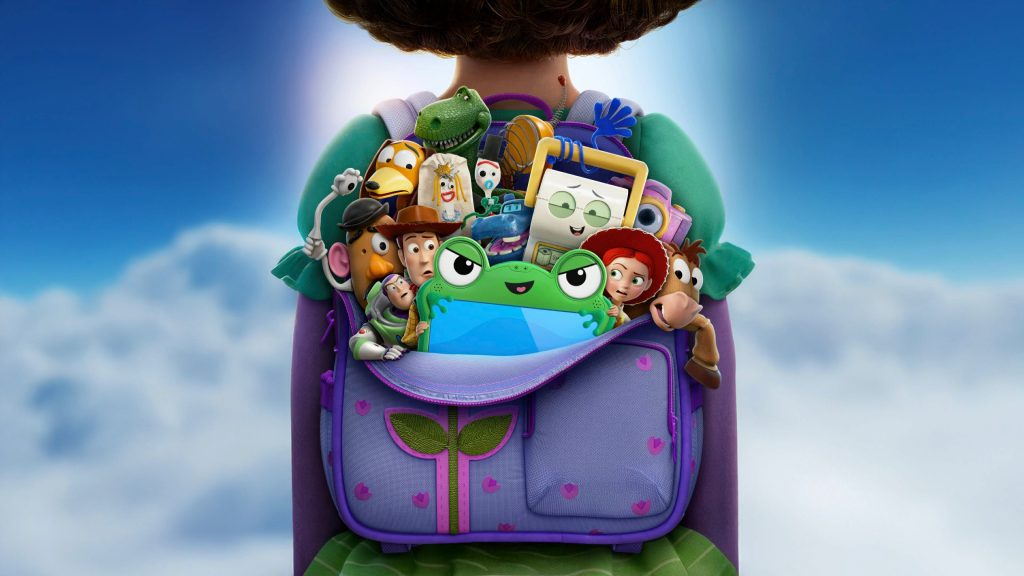
The crying-baby GIFs they sent might seem harmless, but they perfectly capture how technology can make cruelty feel casual. The kids never have to see Bonnie’s reaction. They never have to witness the hurt they cause.
It’s easier to be unkind when there’s a screen between you and the person you’re hurting.
And that’s when I realized Lilypad was never really the villain.
The real conflict wasn’t about a tablet replacing toys.
It was about Bonnie trying to earn the approval of people who were never really her friends in the first place.
Honestly, that’s a lesson many adults still haven’t learned.
We spend so much time chasing validation from people who don’t actually matter. We worry about likes, followers, comments, and the opinions of strangers we’ll never meet. We try to impress people who may not even think about us once they put their phones down.
Meanwhile, the people who genuinely care about us are often right in front of us.
That’s why Toy Story 5 resonated with me more than I expected.
Underneath all the toys, technology, and adventure, it’s really a story about learning which relationships are worth holding onto and which ones were never worth chasing to begin with.
Jessie’s Story
Toy Story 5 was Jessie’s movie.
The emotional weight of the story rests heavily on her shoulders, and Pixar wisely allows her to take center stage.
That’s fitting because Jessie has always represented one of the franchise’s most relatable fears.
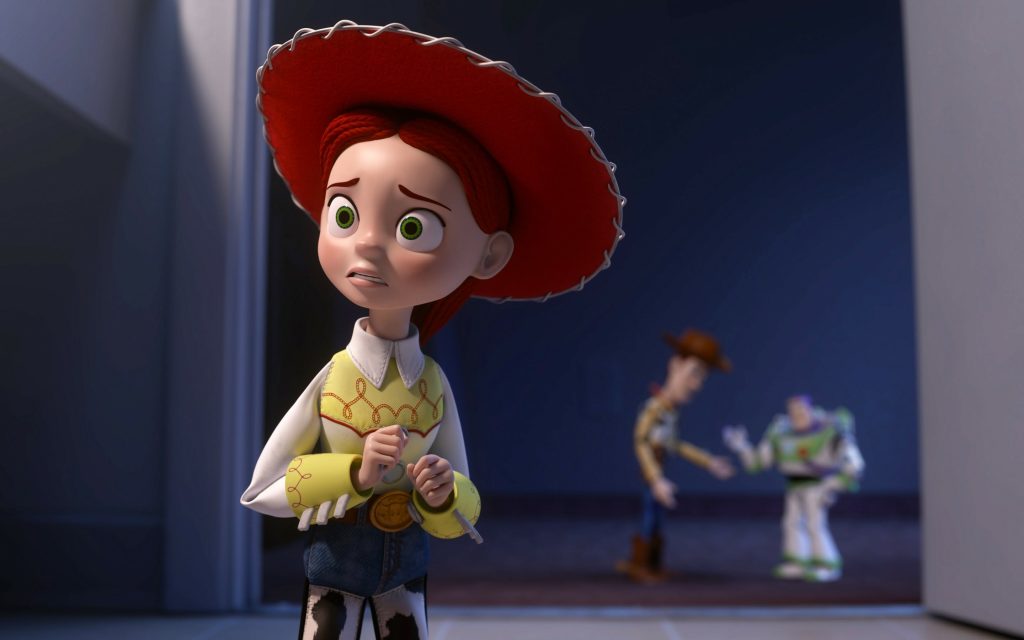
In Toy Story 2, she feared being abandoned.
In Toy Story 5, that fear evolves into something else.
Obsolescence.
The feeling that the world has moved on and left you behind.
It’s a theme that feels especially relevant today. Whether it’s technology, AI, social media, or simply getting older, many of us have wondered whether the skills and experiences we’ve spent years building still matter.
Some scenes genuinely caught me off guard, and I found myself holding back tears more than once.
Other moments, particularly those she shared with Buzz, brought a smile to my face that I wasn’t expecting.
After everything these characters have been through over the past three decades, those quieter moments carried more emotional weight than I anticipated.
Final Thoughts
By the time the credits rolled, I realized Toy Story 5 wasn’t asking whether toys still matter.
It was asking whether we still matter when the world changes around us.
That’s a much more interesting question.
And perhaps a more important one.
Like every Toy Story film before it, this movie isn’t really about toys.
It’s about us.
And in a world increasingly shaped by algorithms, artificial intelligence, and endless digital distractions, that message feels surprisingly timely.
Toy Story 5 may not surpass Toy Story 3 as the franchise’s emotional high point. I still think that remains Pixar’s masterpiece.
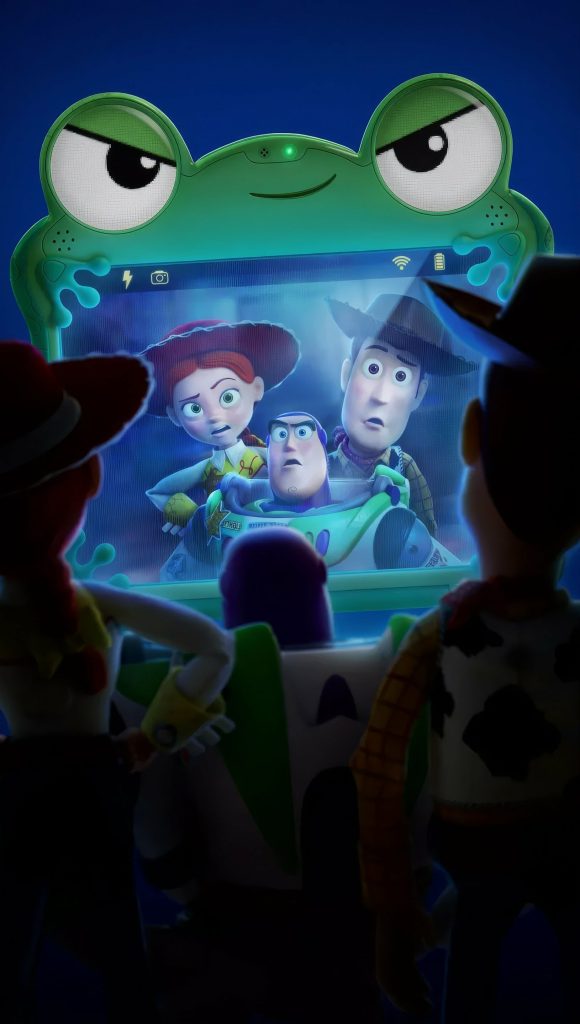
But it earns its place alongside the films that came before it.
Not because it tells us technology is bad.
But because it reminds us that friendship, belonging, and the ability to adapt will always matter more than whatever shiny new thing arrives in the mail.
Rating: 4.5/5