
In an increasingly digitized world, the Philippines is grappling with a distressing surge in online scams that relentlessly target its citizens.

The once tranquil act of answering a phone call has transformed into a source of anxiety for many Filipinos, as they grapple with the dilemma of whether the caller is a legitimate contact or a potential scammer seeking to exploit them. This pervasive issue has resulted in significant financial losses and emotional distress, leaving countless individuals in turmoil.

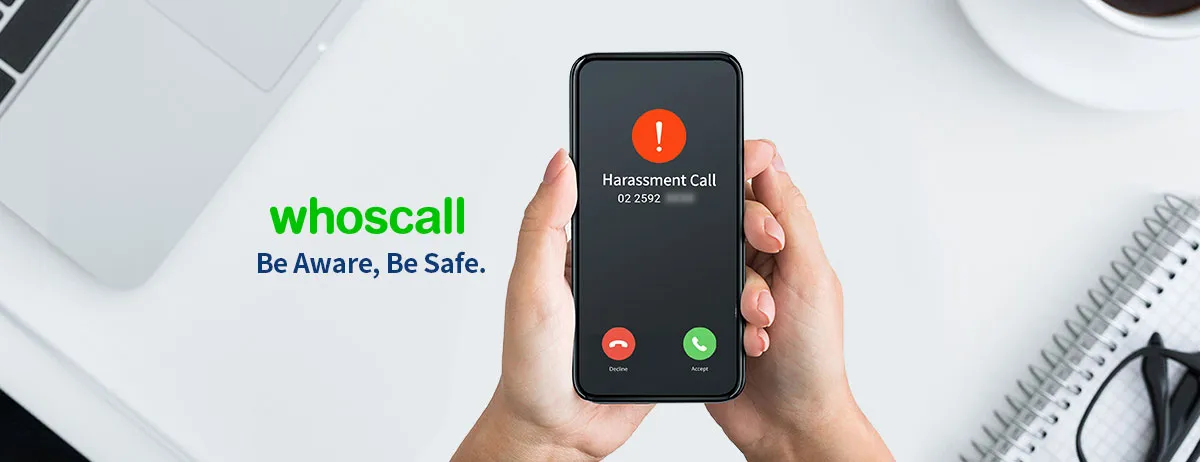
The pressing need for a solution to this crisis has prompted Whoscall, a prominent call identification and spam-blocking application, to take action. With the ability to discern unfamiliar numbers, thwart spam calls, and analyze suspicious message URLs, Whoscall aims to provide comprehensive mobile protection against the rising tide of scams. Armed with cutting-edge AI capabilities and a globally recognized reputation, Whoscall has now made its long-awaited debut in the Philippines, bolstering the nation’s mobile security.

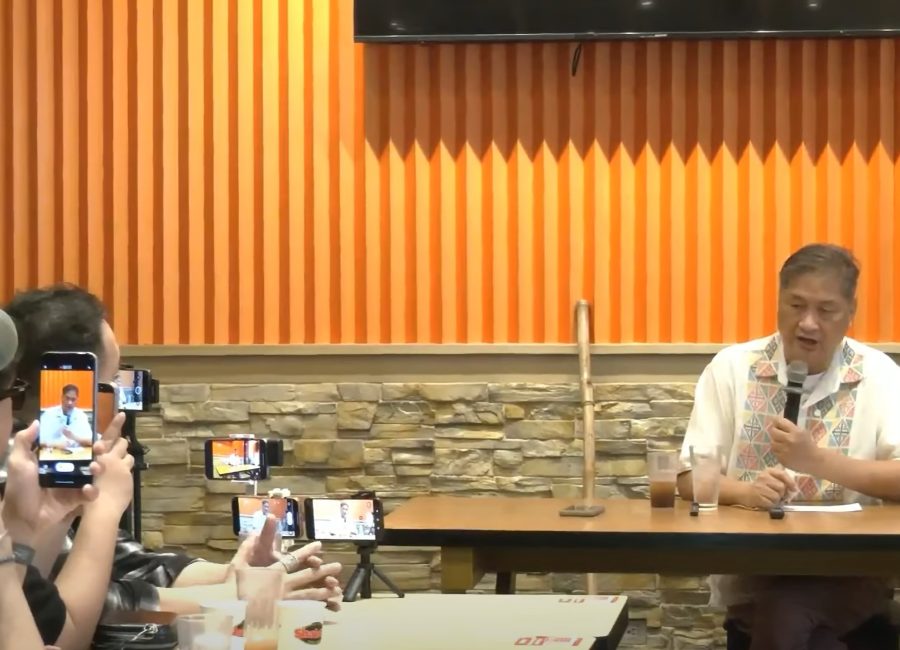
The official launch of Whoscall took place on August 22, 2023, at the New World Hotel in Makati City. The event marked a significant milestone in the fight against online scams, bringing together a panel of cybersecurity experts, policymakers, and notable figures who have personally fallen victim to scams. Distinguished attendees included renowned broadcast journalist Karen Davila, tech influencer Gian Viterbo, and youth leader Aileen Montalbo. Together, they shed light on the escalating threat of fraudulent calls and messages within the country and discussed collective strategies to counter this urgent challenge.

Gian Viterbo emphasized the dire consequences of scams, particularly for overseas Filipino workers (OFWs), stating, “Many of our fellow OFWs have lost their hard-earned savings to scammers. Let’s prevent this from happening to others.” Aileen Montalbo, an influencer and former councilor, highlighted the far-reaching implications of scam texts and calls, urging a united effort to fortify the nation against such threats.

The event’s host, Gelli Victor, shared her personal encounters with phishing attacks, underlining the persistence of scammers, even amid pandemic-related circumstances. As scams become increasingly sophisticated, Undersecretary Alexander K. Ramos from the Cybercrime Investigation and Coordinating Center and Colonel Joey Fontiveros of the Philippine Army’s Signal Regiment underscored the significance of modern intelligence tools like Whoscall in combating these advanced tactics.

Whoscall equips users with the means to regain control over their phone interactions and bolster their confidence. Through its anti-fraud features, the app empowers users to make informed decisions about answering or ignoring calls and messages. Additionally, users can actively contribute to the fight against scams by reporting suspicious numbers, fostering a collective movement against fraudulent activities.
Developer Gogolook, spoke about their motivation to introduce the app to the Philippines. Recognizing the escalating fraud landscape, Gogolook saw parallels between the challenges faced by Filipinos and those encountered in countries where Whoscall has already made its mark, such as Thailand, Malaysia, and Japan. Manwoo Joo, Chief Operating Officer of Gogolook, expressed, “This reality ignited our drive to create a comprehensive life protection platform accessible to every Filipino across the nation.”

Leveraging state-of-the-art AI and data-driven technology, Whoscall boasts a vast database containing over 2.6 billion entries, making it the largest in East Asia and Southeast Asia. This expansive repository enables the app to detect unknown callers, spam, scam calls and texts, as well as potentially harmful URLs. Whoscall’s excellence has garnered it prestigious awards on platforms like the App Store and Google Play, and it has established collaborations with law enforcement agencies and government bodies across various countries.

In his closing statement, Gabriel Barrios, Country Marketing Head for the Philippines, emphasized the app’s global success and its crucial role in enhancing the nation’s mobile security. He urged all Filipinos to install Whoscall and unite in the pursuit of a Scam-Free Pilipinas.
Whoscall is now available on Google Play Store and the Apple App Store. Download it through
this LINK