

For decades, the Philippine textile industry has been associated with woven fabrics such as piña, abaca, and handloom products. But a new initiative from the Department of Science and Technology – Philippine Textile Research Institute (DOST-PTRI) aims to show that locally sourced fibers can do much more.
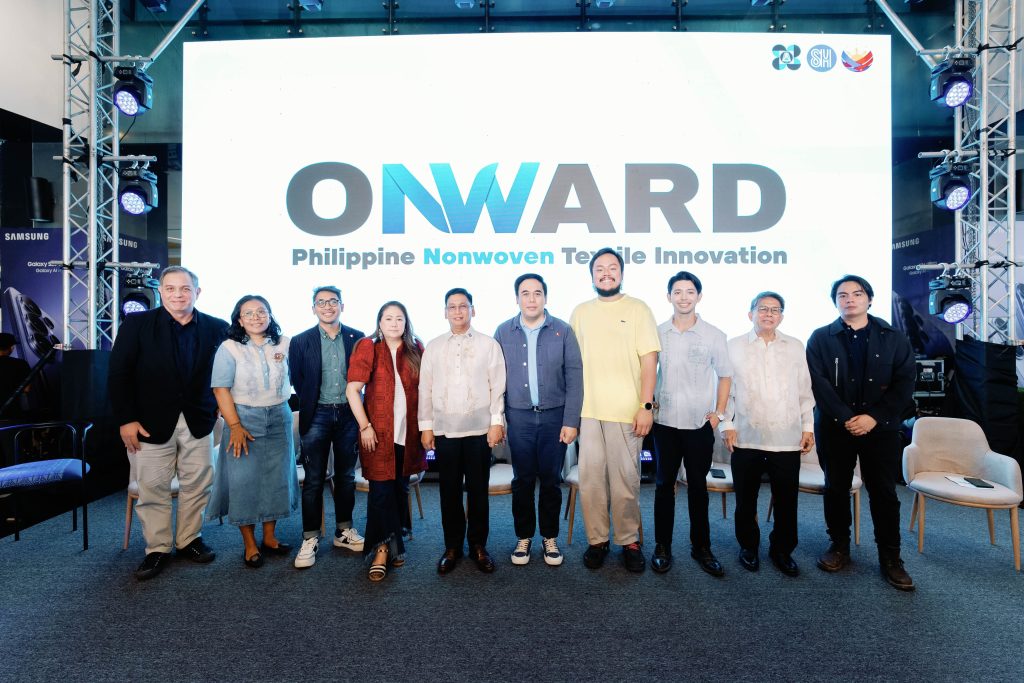
Through ONWARD: Philippine Nonwoven Textile Innovations, DOST-PTRI is introducing Philippine-made nonwoven textile technologies that can be used across industries ranging from furniture and fashion to transportation, agriculture, construction, and healthcare.
The initiative, launched together with nine local manufacturers and industry partners, demonstrates how natural fibers such as banana and pineapple can be transformed into advanced materials for commercial and industrial applications.
Unlike traditional woven fabrics, nonwoven textiles are engineered by bonding fibers together without weaving or knitting. This allows them to be lightweight, durable, and adaptable for a wide variety of products.
The official launch, held at SM North EDSA on July 1, showcased how local companies are already putting the technology into practice.
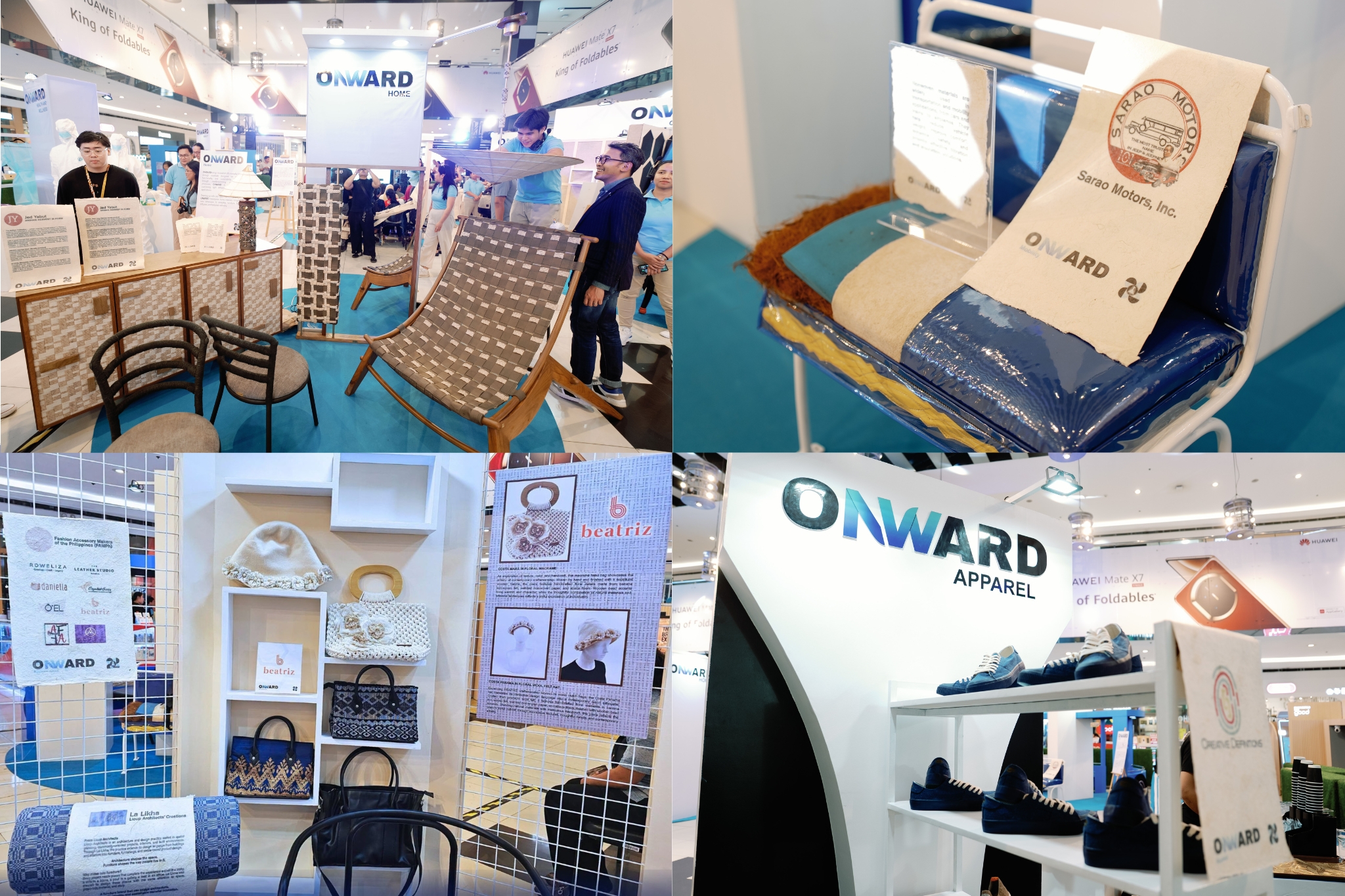
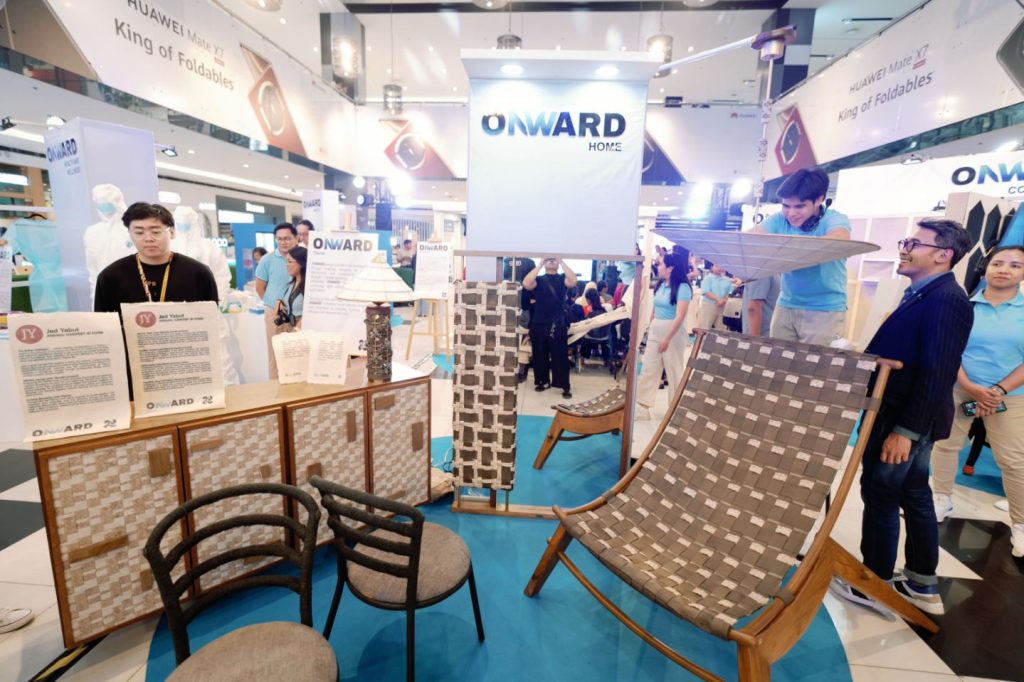
Furniture makers Jed Yabut Furniture & Design used banana-based nonwoven materials for chair cushions and incorporated pineapple-based fibers into decorative twine, table panels, lampshades, and leather-like chair components.
Meanwhile, La Likha integrated nonwoven materials into sofa backings while exploring their potential as alternatives to foam and synthetic leather. Sustainable design company JunkNot also incorporated the materials into chair cushions, home furnishings, and decorative pieces.
The transportation sector is also beginning to explore the technology. Iconic jeepney manufacturer Sarao Motors showcased nonwoven materials for seat upholstery and cushions designed to improve passenger comfort and durability, while also evaluating their use for dashboards, ceiling panels, and door trims.
Beyond transportation, Fivecent Global Corporation demonstrated agricultural applications such as fruit packaging and mulching materials, while fashion designer Renz Reyes presented garments made using nonwoven textiles.
The versatility extends even further.
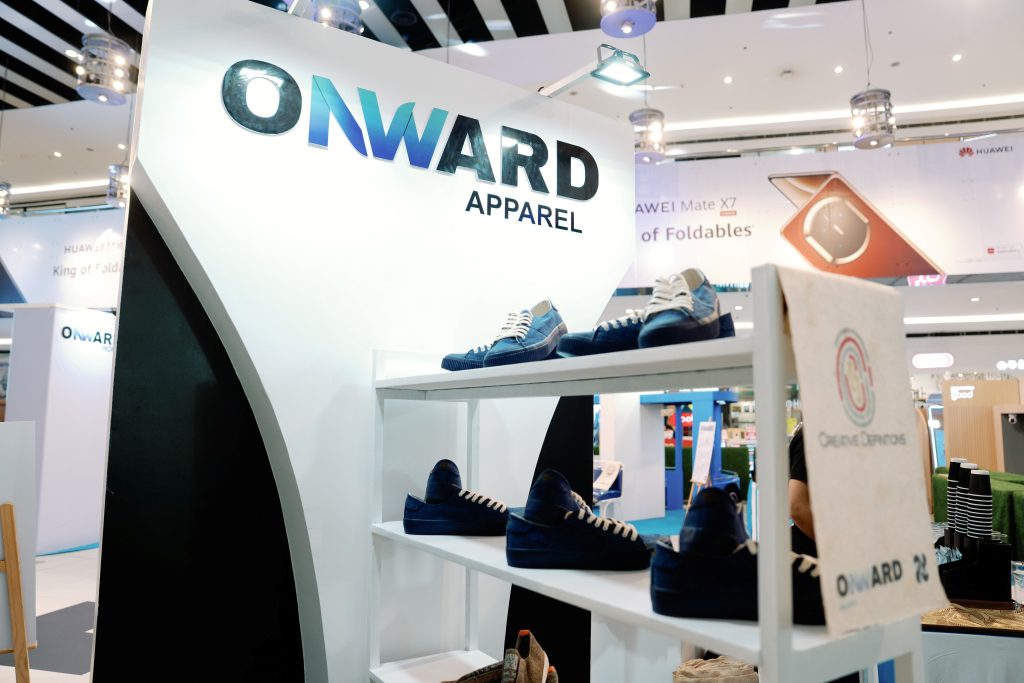
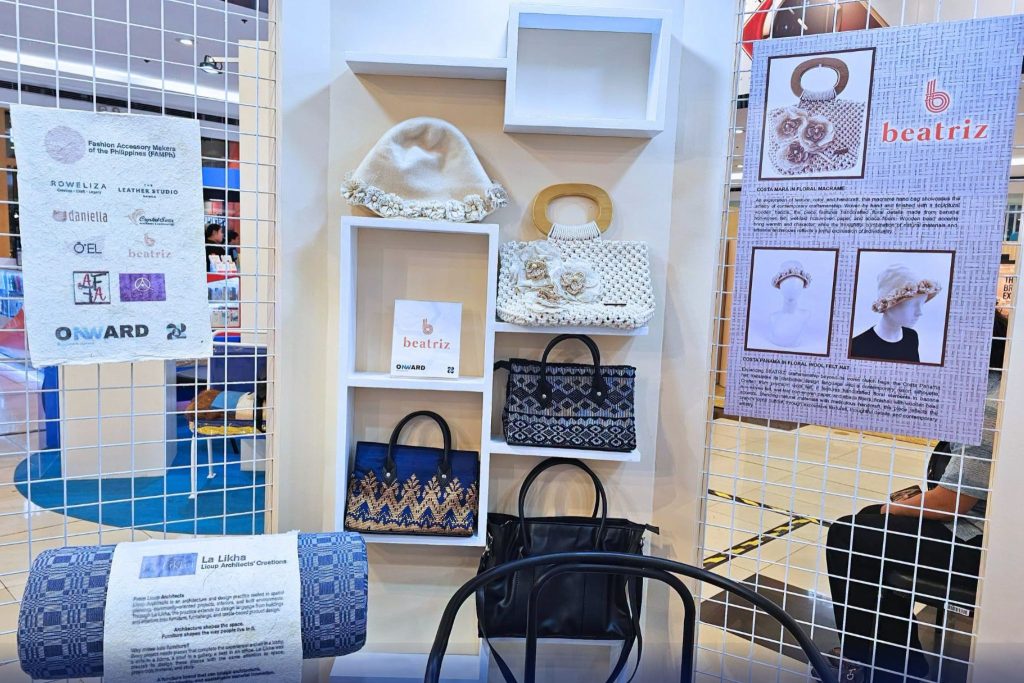
Creative Definitions integrated the materials into shoe uppers and insoles. Members of the Fashion Accessory Makers of the Philippines (FAMPh) created bag linings, laptop sleeves, tablet cases, jewelry, and hair accessories. Meanwhile, Base Bahay Foundation Inc. is exploring how nonwoven materials can be incorporated into innovative construction systems.
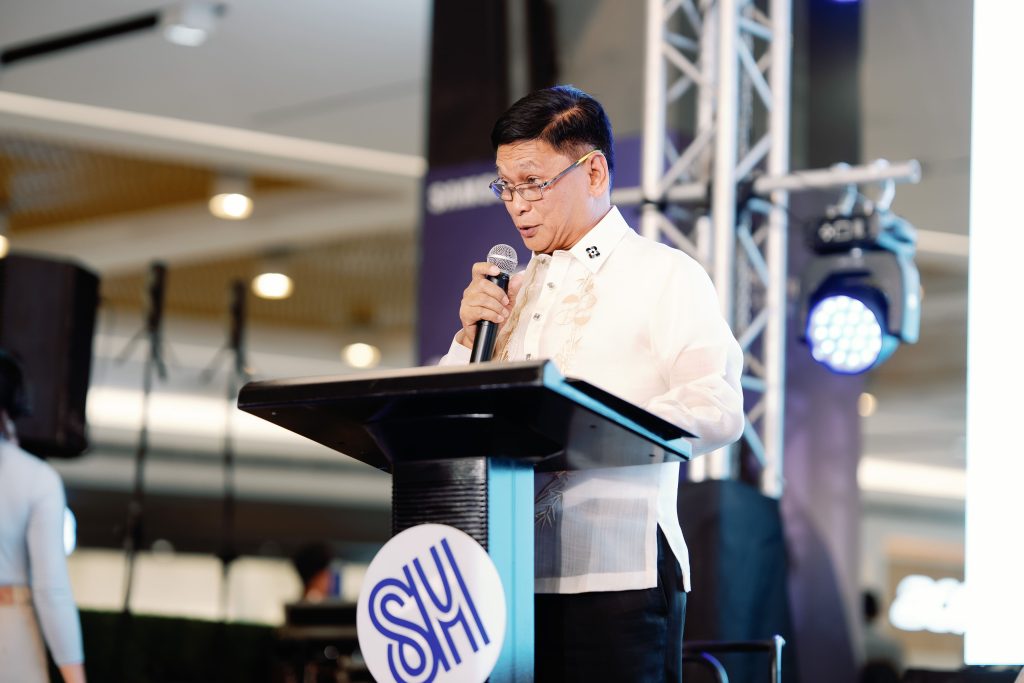
According to DOST Secretary Dr. Renato U. Solidum Jr., the technology arrives at an ideal time as demand for nonwoven materials continues to grow worldwide.
“The global nonwoven market is now valued at around US$58 billion and is projected to reach US$75 billion, with the Asia-Pacific region accounting for nearly half of global demand. This presents a tremendous opportunity for Filipino innovation,” he said.
He added that the expanding market opens new opportunities for Filipino manufacturers, designers, researchers, and entrepreneurs to create higher-value products, generate employment, and strengthen the country’s manufacturing sector.
For DOST-PTRI Director IV Dr. Julius L. Leaño Jr., ONWARD represents the next evolution of Philippine textiles.
“Through ONWARD, our nonwoven textiles, we push Telang Pinoy forward. ONWARD is about the choices that we make—choosing a cleaner, safer, friendlier, and kinder Earth. It is about making better choices for our future. Let ONWARD become part of those meaningful choices we make today,” he said.
To further support the industry, DOST-PTRI also announced that its Nonwovens Center will open in January 2027. The facility will house specialized processing equipment while serving as a research laboratory, innovation hub, product showroom, and collaborative space where government agencies, startups, researchers, and manufacturers can develop new nonwoven products together.
As more Filipino companies adopt the technology, ONWARD could help expand the country’s textile industry beyond traditional fabrics, creating new opportunities for local manufacturing while giving Philippine natural fibers a much wider range of uses.