


Walk through any major city and you’ll find buildings that tell stories.
Some are bold statements of ambition. Others quietly shape the way people live, work, learn, and gather. Behind every iconic structure, every thoughtfully designed café, every inviting hotel lobby, and every well-planned public space is a designer who once started with a sketchbook, a classroom project, and a dream.

The question is: where do future architects and interior designers get their first opportunity to turn those dreams into something bigger?
For nearly two decades, the AYDA Awards has been trying to answer that question.
Originally launched in 2008 as the Asia Young Designer Awards, the program was created by Nippon Paint with a simple but ambitious goal: help nurture the next generation of architectural and interior design talent. Since then, it has grown far beyond a traditional student competition.
Today, the AYDA Awards has become one of the largest design platforms for young creatives in the region, receiving more than 47,000 entries from over 1,200 tertiary institutions across 20 geographical locations.
Those numbers are impressive, but they only tell part of the story.
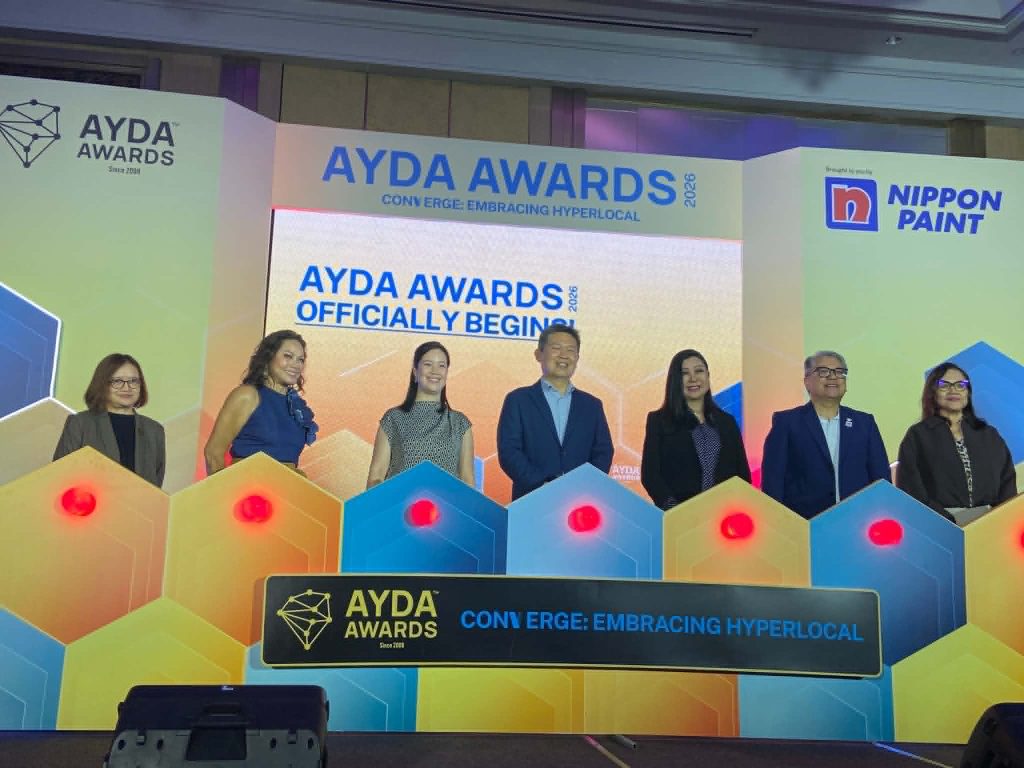
What makes AYDA different is that it doesn’t simply hand out trophies and certificates. The program is designed to immerse students in the realities of the profession long before they officially enter it.
Participants gain access to workshops, mentorship sessions, coaching programs, and industry discussions led by experienced architects, interior designers, and design professionals. For many students, it becomes their first direct interaction with the people whose work they have studied in books and admired from afar.
That exposure can be transformative.
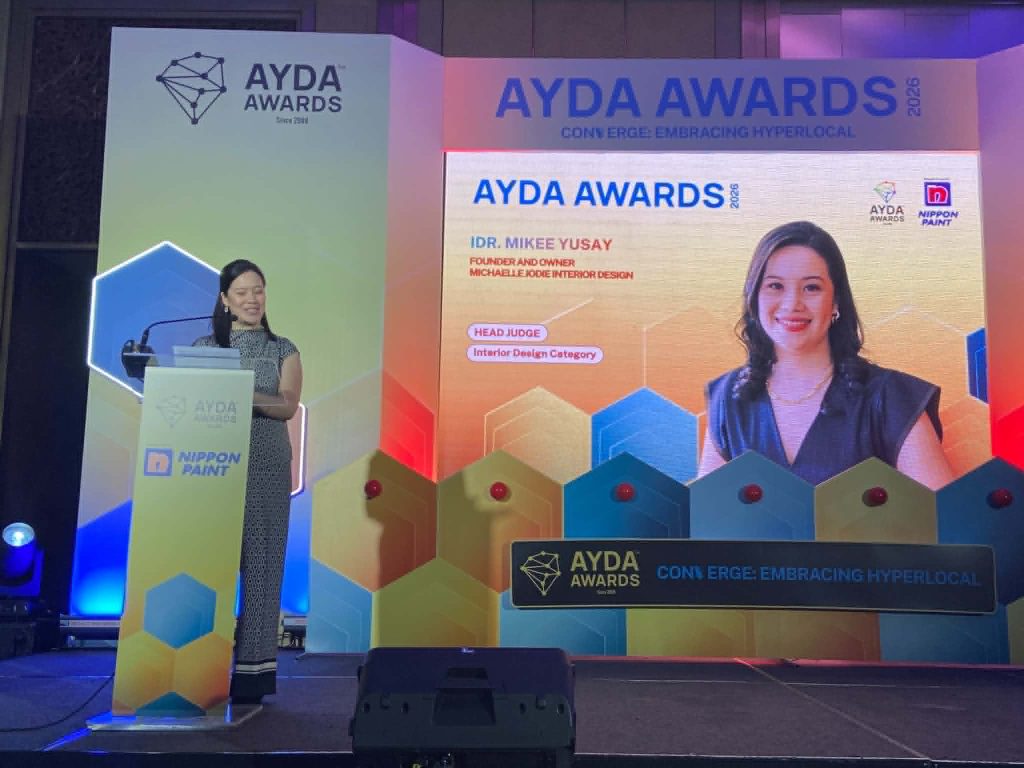
A classroom can teach design principles. A mentor can teach how those principles survive contact with budgets, clients, deadlines, regulations, and real-world challenges.
Design today carries a responsibility that extends beyond aesthetics. Cities are becoming denser. Climate concerns are growing. Communities are demanding more sustainable and inclusive spaces. The next generation of designers will inherit challenges that previous generations never had to face on the same scale.
Programs like AYDA recognize that reality.
Rather than focusing solely on technical excellence, the platform encourages participants to think about social impact, sustainability, and how design can improve everyday life. The result is a growing community of young creatives who see design as more than a profession—it becomes a way to solve problems and create meaningful change.
One of the biggest incentives is the opportunity to be named AYDA Designer of the Year. The winner receives an all-expenses-paid three-week placement at Harvard University’s Graduate School of Design through its Design Discovery Program, offering a rare opportunity to learn from one of the world’s most respected academic institutions.
For many young designers, that experience can become a career-defining moment.
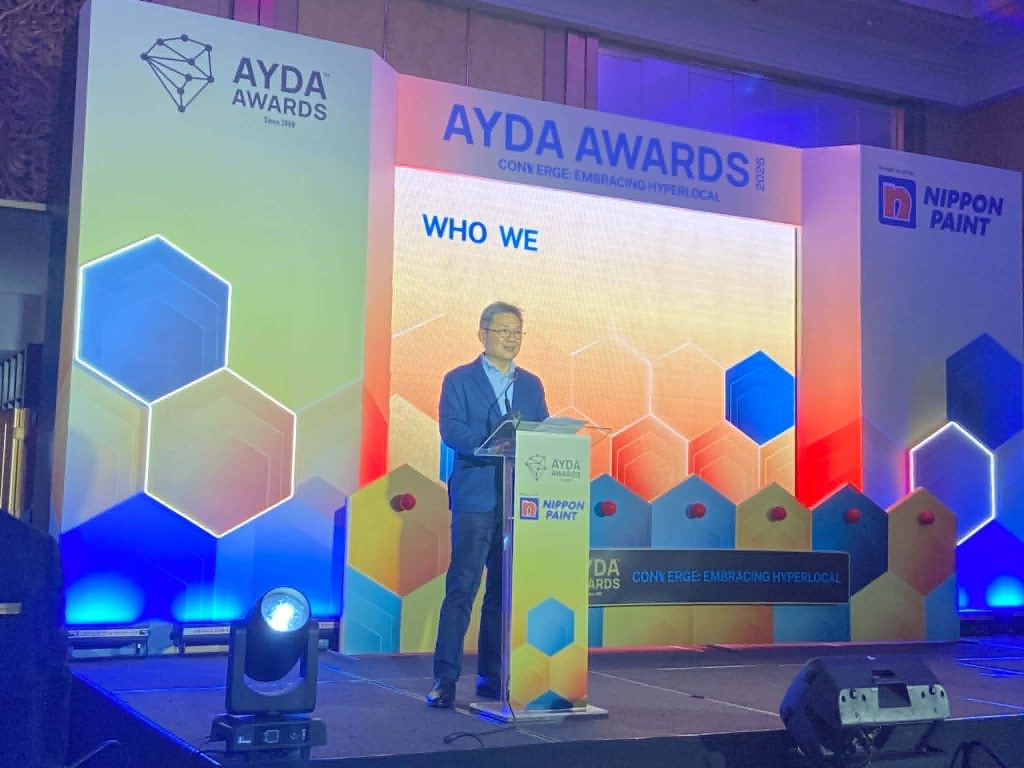
Yet perhaps the most valuable thing AYDA has built over the years isn’t a competition or even an award.
It’s a community.
Through initiatives such as AYDA International Summit and AYDA Change, participants become part of a growing network that includes students, alumni, educators, professional architects, interior designers, industry organizations, and design partners. Connections formed during the program often continue long after the awards ceremony ends.

In an industry where collaboration matters as much as creativity, those relationships can be just as important as any title or trophy.
The buildings we admire tomorrow are being imagined by students today. Somewhere in a university studio, a future architect is sketching an idea that may one day shape a neighborhood, a city block, or perhaps an entire skyline.
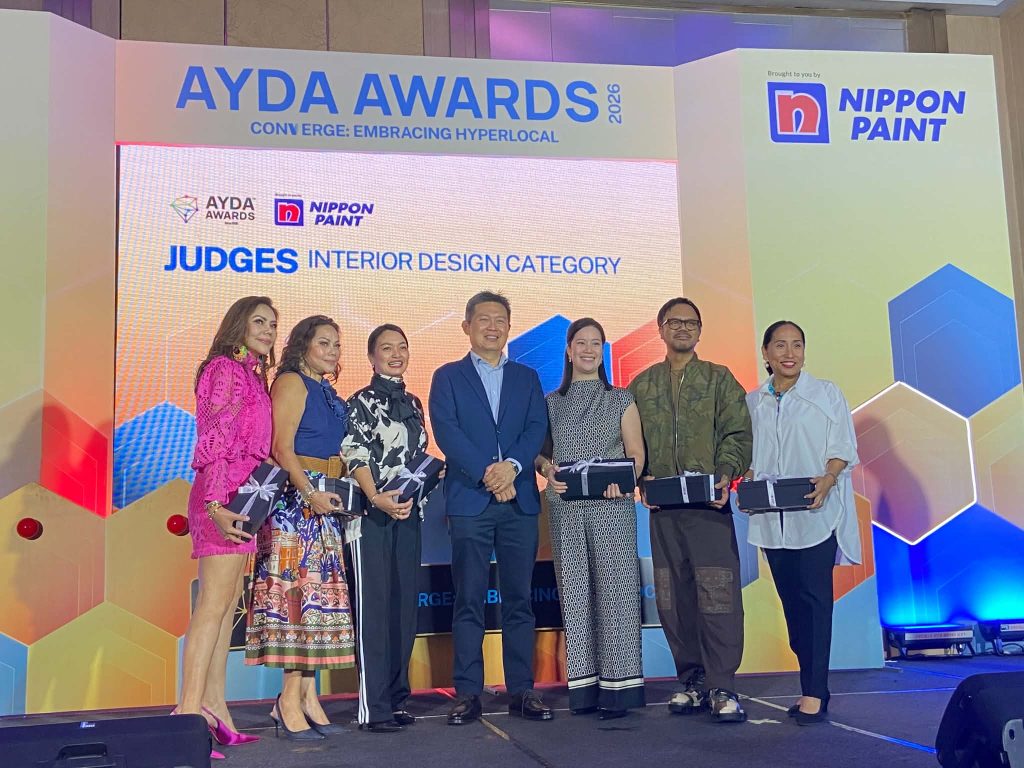
Programs like the AYDA Awards exist to make sure those ideas don’t stay on paper.
Because before designers shape the world around us, someone has to believe in their potential first.